••
Emelia Affi Agbenyo appointment to Electoral Commission sparks neutrality debate
•2 min read•6 sources
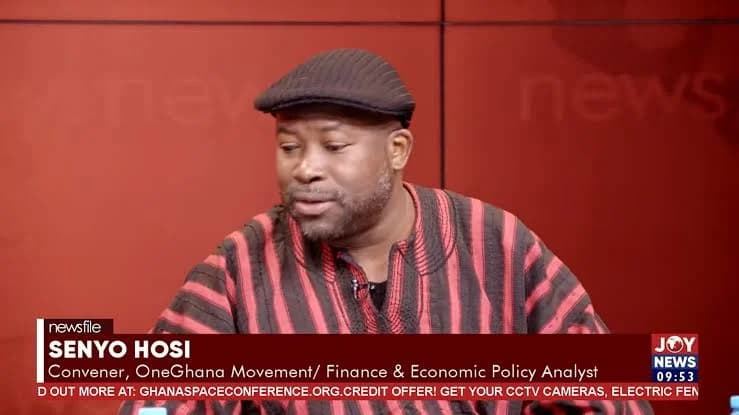
The appointment of Emelia Affi Agbenyo as Deputy Chairperson of the Electoral Commission (EC) by President John Mahama has sparked a national debate over the institution's independence and neutrality. While the presidency and its supporters defend the appointment based on Ms. Agbenyo's professional competence, critics and governance experts point to her perceived political ties as a threat to public confidence. Specifically, her previous role on the National Democratic Congress (NDC) manifesto committee for the 2024 elections has become a focal point for those questioning the impartiality of the electoral body.
Governance analysts and civil society figures have voiced significant concerns over the political optics of the move. Samuel Okudzeto Ablakwa, the Minister for Foreign Affairs, noted that while the appointment is constitutionally sound, the appearance of bias remains problematic. He likened the situation to a football referee whose impartiality is questioned due to known affiliations. Similarly, Senyo Hosi, convenor of the One Ghana Movement, expressed disappointment, stating that the government should prioritize institutional reform over "equalization." Professor Kwaku Agyemang-Duah also challenged assertions from Minister of State Felix Kwakye Ofosu that the appointment was intended to "balance" political representation, arguing such logic damages the commission's credibility.
Conversely, supporters of Ms. Agbenyo have called for the focus to remain on her qualifications and work ethic. Duncan Amoah, Executive Director of COPEC, described her as a competent and diligent professional who should be allowed to serve without undue political interference. He criticized the opposition New Patriotic Party (NPP) for what he characterized as double standards regarding political appointments. This sentiment was echoed by Rashid Tanko-Computer, the NDC’s Deputy Director of Elections and IT, who argued that Ms. Agbenyo’s past associations do not disqualify her. He suggested that critics should instead focus their scrutiny on the current EC Chairperson, Jean Mensa, rather than questioning Ms. Agbenyo’s integrity.
The unfolding controversy underscores a deep-seated challenge in Ghana’s democratic governance: the appointment of individuals with known political backgrounds to neutral state institutions. As the Electoral Commission navigates these criticisms, the debate remains centered on whether constitutional adherence alone is sufficient to maintain public trust or if additional measures are needed to ensure the perception of impartiality. For now, the government remains firm in its choice, while civil society continues to demand a "reset" in how such critical roles are filled.
Related topic
NDC (National Democratic Congress): Latest News →

