••
Emmanuel Kotin and PRINPAG Call for Preventive Disaster Management Reforms Following Fatal Accra Floods
•2 min read•3 sources
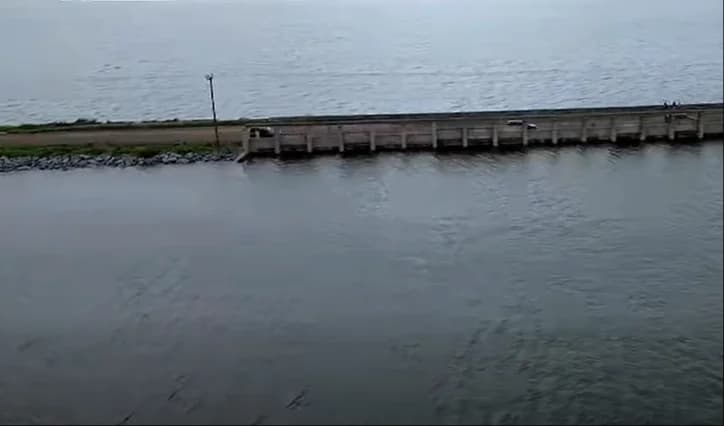
In the aftermath of catastrophic flooding that claimed 34 lives and displaced thousands, security experts and media associations are calling for a fundamental shift in Ghana's disaster management strategy. Emmanuel Kotin, Executive Director of the Africa Centre for Security and Counterterrorism, has sparked a national debate by criticizing the National Disaster Management Organisation (NADMO) for its heavy reliance on reactive relief rather than proactive prevention. This outcry follows the devastating June 29 floods, which affected over 38,800 individuals and left 7,761 households across Accra and Tema in need of urgent assistance. Speaking on GBC’s Current Agenda, Kotin highlighted a concerning budgetary imbalance, noting that over 70% of NADMO’s resources are currently dedicated to relief efforts. He argued that "if you’re planning relief, you’re expecting disasters," suggesting that the current model creates a perception of disaster inevitability rather than mitigation. To counter this, Kotin advocated for a strategy shift toward risk reduction, including stricter enforcement of building regulations, enhanced early warning systems, and comprehensive public education on disaster readiness to minimize future economic and human losses. Complementing this security perspective, the Private Newspapers and Online News Publishers Association of Ghana (PRINPAG) has urged the government to prioritize urban planning reforms and environmental stewardship. PRINPAG President David Tamakloe emphasized that flood mitigation requires more than just reactive distributions; it necessitates a commitment to urban renewal and the rigorous enforcement of building codes to prevent construction in flood-prone areas. The association also called for significant investment in modern drainage systems and emphasized the role of accurate media reporting in supporting recovery and encouraging behavioral changes among the public. While the national debate focuses on policy, technical teams are already taking localized action to prevent further escalation. In the Volta Region, engineers and local authorities recently opened the Kedzi-Azizadzi floodgate in Havedzi to lower water levels in the Keta Lagoon, a move monitored by the Volta River Authority to protect surrounding communities as the rainy season progresses. These combined efforts—from policy critiques to engineering interventions—underscore a growing national consensus: Ghana must transition from a culture of crisis management to one of strategic resilience to safeguard its citizens and infrastructure against the increasing threat of seasonal flooding.