••
Energy Commission and GSA Urge Certified Electricians to Master EV and Solar Technologies Amid Safety Push
•2 min read•2 sources
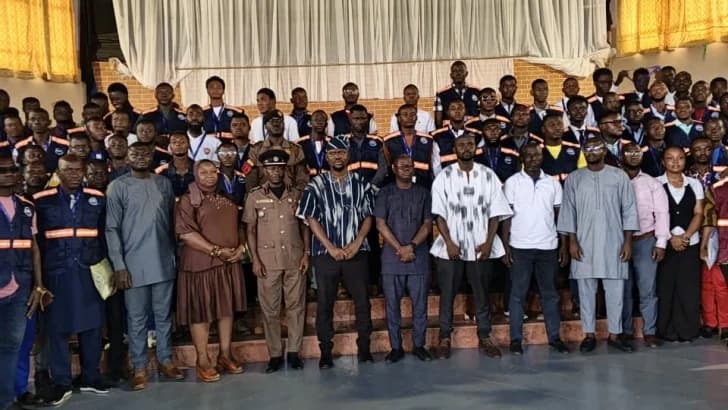
The Energy Commission of Ghana has officially certified 884 new electrical wiring professionals, charging them to lead the nation's transition toward renewable energy and electric mobility. During the 25th graduation ceremony for the Electrical Wiring Certification Examination, which saw an 85% success rate among 1,036 candidates, officials emphasized that the future of the profession lies in solar installations, battery storage, and electric vehicle (EV) charging systems. These new graduates enter a market that is increasingly prioritizing high-tech, sustainable energy solutions alongside rigorous safety standards to protect lives and property.
Adolf Nii Ashong, the Manager for Electricity and Natural Gas Regulation at the Energy Commission, highlighted that the commission is actively updating its certification syllabus to incorporate these emerging technologies. This proactive shift is supported by the drafting of the Electric Vehicle Charging Infrastructure regulations, which are currently under parliamentary consideration. These regulations, including the proposed Electric Vehicle Charging Station and Battery Swap Systems Regulations, 2026, are expected to formalize the industry and create a structured environment for certified electricians to provide specialized services in a growing green economy.
Parallel to these technological advancements, the Ghana Standards Authority (GSA) is intensifying efforts to eliminate substandard materials from the national grid. Basim Alhassan, the GSA's Northern Regional Manager, announced the installation of new cable testing machines at the Tamale office to serve the northern sector. This equipment allows the authority to verify the quality claims of suppliers on-site, a critical step in preventing electrical fires caused by inferior wiring. The GSA is currently piloting these testing capabilities in the Ashanti and Volta regions, with plans for a nationwide rollout to ensure all electrical components meet international safety benchmarks.
The integration of advanced testing infrastructure and updated professional training marks a significant step in Ghana’s energy evolution. As the country prepares for the widespread adoption of electric vehicles and decentralized solar power, the collaboration between the Energy Commission and the GSA ensures that the workforce is both skilled and equipped with standardized materials. This holistic approach aims to significantly reduce electrical accidents while positioning Ghana as a regional leader in the safe and efficient deployment of renewable energy technologies.
