••
Energy Commission Certifies 884 Electrical Wiring Professionals to Strengthen Ghana’s Renewable and EV Infrastructure
•2 min read•1 source
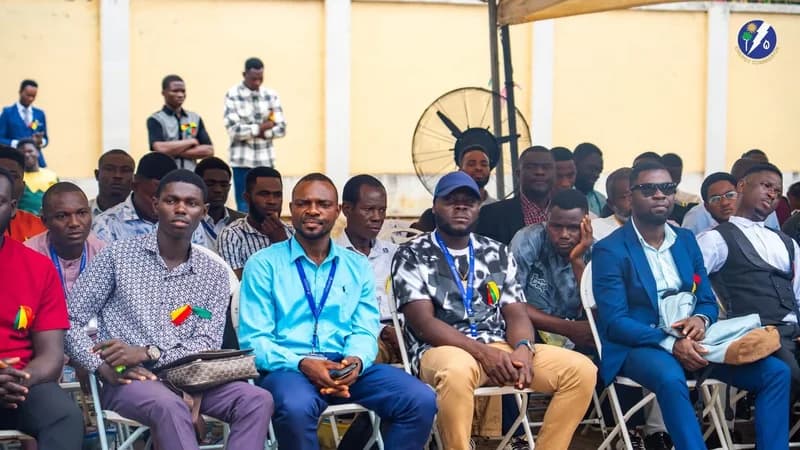
The Energy Commission of Ghana has officially certified 884 new electrical wiring professionals following the May/June 2026 certification examinations. This latest cohort brings the total number of certified professionals in the country to 19,442, marking a significant milestone in the Commission's efforts to regulate the industry and enhance safety standards. The certification comes at a critical juncture as Ghana intensifies its transition toward renewable energy and electric mobility, requiring a more specialized and technically proficient workforce to handle modern electrical demands.
During the 25th Electrical Wiring Certification and Awards Ceremony held in Accra, Acting Executive Secretary Adwoa Serwaa Bondzie detailed the Commission's forward-looking strategy. Central to this vision is the development of a national platform designed to track electric vehicle (EV) charging stations across the country. This platform is expected to play a vital role in energy planning by allowing the Commission to monitor infrastructure deployment and assess the collective impact of EV charging on the national grid. Experts at the event underscored that as electric mobility becomes more prevalent, the demand for skilled professionals who can safely manage and maintain these sophisticated systems will continue to rise.
To ensure that the industry keeps pace with rapid technological advancements, the Energy Commission also launched a revised Electrical Wiring Code. This update specifically addresses the evolving electrical landscape, incorporating modern safety standards and compliance requirements for solar power installations and electric vehicle charging technologies. The event, themed "Setting the Standard: Powering Ghana’s Future – EV, Solar and Beyond," emphasized that professional certification is no longer just about basic electrical work, but about mastering the complexities of a greener, more decentralized energy grid.
The certification of these professionals is a strategic move to curb the incidence of electrical fires and ensure high-quality installations in both residential and industrial sectors. By aligning technical training with the government’s broader energy transition goals, the Energy Commission aims to build a resilient and modern energy ecosystem. As Ghana continues its development in 2026, the integration of these nearly 20,000 certified experts will be essential for the successful rollout of national EV infrastructure and the widespread adoption of solar energy solutions, ensuring the nation's energy future is both sustainable and safe.

