••
Equatorial Guinea refuses to vacate Paris mansion ahead of judicial sale
•2 min read•1 source
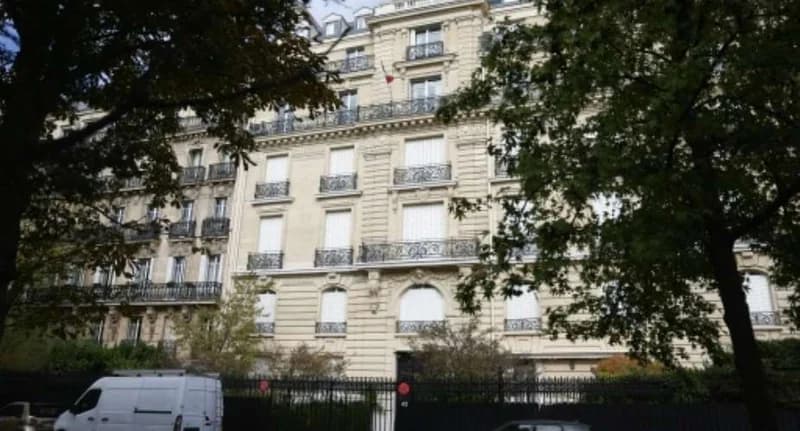
French authorities and the government of Equatorial Guinea are locked in a diplomatic standoff over the planned judicial sale of a luxury mansion in Paris. The property, located on the prestigious Avenue Foch, was confiscated from Equatorial Guinea’s Vice President, Teodoro Nguema Obiang Mangue, following his conviction in France for money laundering and the misappropriation of public funds. While French officials aim to complete the sale of the asset by December, Malabo has resisted the move, leading to a tense confrontation between the two nations.
The dispute centers on the status of the building, which has previously served as Equatorial Guinea's embassy. Despite the judicial seizure, Equatorial Guinean diplomats are refusing to vacate the premises, asserting that the property should retain diplomatic immunity. French courts, however, have already ruled that the mansion was acquired with ill-gotten gains, leading to its official confiscation. This legal battle is part of a broader French investigation into the assets of several African leaders and their families, often referred to as the "ill-gotten gains" cases.
Equatorial Guinea has warned of significant diplomatic repercussions if France proceeds with the forced auction. Among the potential retaliatory measures mentioned is the closure of a joint naval training school that the two countries operate together. The Malabo government maintains that the sale is an infringement on its sovereign rights and diplomatic protocols, while French authorities insist they are merely executing a court order resulting from a criminal conviction.
The standoff poses a challenge for French diplomacy as it balances the enforcement of judicial rulings against the preservation of strategic military and political ties in Central Africa. As the December deadline for the sale approaches, the international community is watching to see how France navigates the legal requirement to liquidate the asset while managing the escalating threats from Malabo. The resolution of this case will likely set a precedent for how other confiscated properties belonging to high-ranking foreign officials are handled in the future.