••
Erik Prince supports DRC government forces against M23 militia
•2 min read•1 source
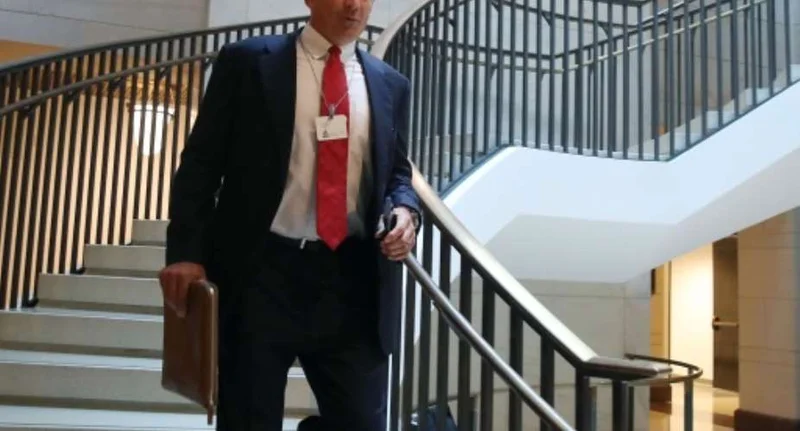
US businessman Erik Prince and his private military contractors are reportedly providing critical support to the Democratic Republic of Congo (DRC) government forces as they battle the M23 militia. This involvement follows a significant setback for the Congolese military when the strategic city of Goma fell to the M23 group in early 2025. Prince, who gained international notoriety as the founder of the private security firm Blackwater, is operating within a framework described as "business-as-security," where private military engagement is closely linked to economic interests.
Foreign paramilitaries associated with Prince have been observed backing Congolese national forces in the field, utilizing high-tech support such as drone surveillance and direct military assistance aimed at pushing back the M23 advance. While the presence of these contractors is increasingly visible, the specific details regarding their contracts, funding sources, and official affiliations with the DRC government remain opaque. This lack of transparency has raised concerns among international observers about the accountability of private actors in a complex conflict zone.
The deployment of private security forces coincides with a surge in international interest in the DRC’s vast reserves of strategic minerals. The United States and other global powers have expressed growing concern over securing supply chains for resources critical to modern technology. Prince's "business-as-security" model suggests a direct interplay between the provision of security and the management of mineral resources. This development has sparked a debate on whether the presence of foreign paramilitaries will stabilize the region or further complicate the governance of the nation's natural wealth.
As the conflict remains unresolved, the role of private military companies like those linked to Prince adds a new layer of complexity to the security dynamics in Central Africa. While these forces may provide immediate tactical advantages to the Congolese military, questions persist regarding the long-term impact on local stability and sovereignty. The involvement of foreign contractors highlights the shifting nature of modern warfare, where private commercial interests often intersect with national security objectives in resource-rich territories.


