••
Eva Ackuaku urges increased financing for nature-based solutions
•2 min read•1 source
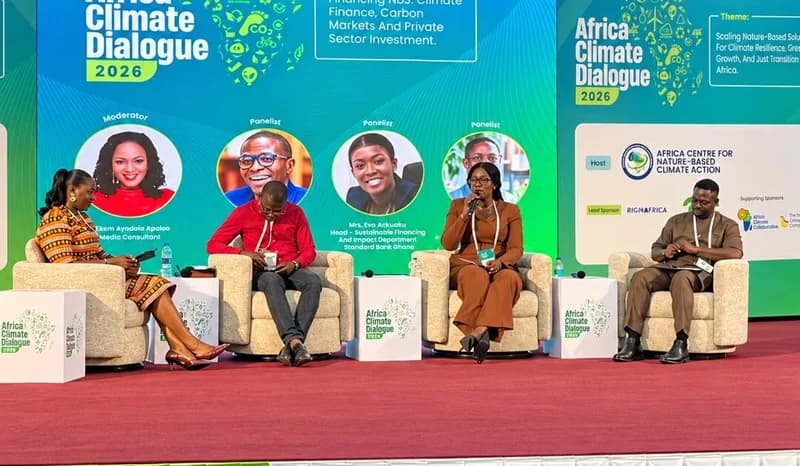
Consolidated Bank Ghana (CBG) has identified the lack of financial resources as a primary obstacle to implementing nature-based solutions across Africa. Speaking at the Africa Climate Dialogue 2026, Mrs. Eva Ackuaku, representing the bank, stressed that while environmental projects offer immense ecological value, they struggle to attract the necessary investment to scale effectively. This intervention comes as Ghana and the wider continent grapple with the urgent need for sustainable climate adaptation strategies that leverage natural ecosystems to mitigate the impacts of climate change.
Mrs. Ackuaku highlighted that nature-based projects often face skepticism from conventional banking institutions. The core of the issue lies in the perceived lack of commercial viability for these initiatives compared to traditional industrial or infrastructure investments. According to the CBG representative, the financial sector requires more robust frameworks to evaluate the long-term economic benefits of environmental conservation and restoration. She emphasized that for nature-based solutions to transition from small-scale pilots to impactful national programs, there must be a fundamental shift in how financial risks and returns are assessed in the green economy.
To address these challenges, Ackuaku called for a stronger partnership between policy makers and the financial sector. She argued that sound governance within environmental projects is non-negotiable for securing institutional funding. By establishing clear regulatory guidelines and transparency standards, governments can provide the assurance that banks need to commit significant capital. This collaborative approach aims to create a green investment climate where nature-based solutions are viewed as bankable assets rather than purely philanthropic ventures.
Looking ahead, Consolidated Bank Ghana is preparing to further its commitment to the environmental agenda through an upcoming Sustainability Week. During this event, the bank plans to showcase its own sustainability initiatives and engage stakeholders on practical ways to integrate environmental considerations into the banking sector. The move reflects a broader trend among Ghanaian financial institutions to align their operations with global Environmental, Social, and Governance (ESG) standards as the demand for climate-resilient financing grows.

