••
Prof. Francis Zotor Advocates for Comprehensive Food Policies to Address Ghana's Triple Burden of Malnutrition
•2 min read•1 source
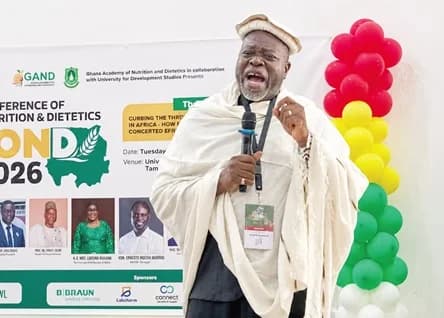
Prof. Francis Bruno Zotor, Vice-President of the International Union of Nutritional Sciences, has issued a clarion call for the establishment of comprehensive and integrated food and nutrition policies in Ghana. Speaking at the annual conference of the Ghana Academy of Nutrition and Dietetics held in Tamale, Prof. Zotor emphasized that a robust national framework is essential to effectively combat the persistent challenges of malnutrition. He argued that the current fragmented approach must be replaced by harmonized strategies to improve health outcomes, particularly for children, who remain the most vulnerable to nutritional deficiencies and the long-term impacts of poor dieting. The core of Prof. Zotor's address focused on the triple burden of malnutrition currently facing the country: the simultaneous presence of undernutrition, micronutrient deficiencies, and the rising tide of diet-related non-communicable diseases. He highlighted that these issues are not just clinical health concerns but are deeply intertwined with the nation's developmental trajectory. By addressing these three pillars of malnutrition through a unified policy, Ghana can better allocate resources and implement targeted interventions that reach the most affected populations in both urban and rural settings. A significant portion of the proposal involves the promotion and integration of indigenous Ghanaian foods into the national diet. Prof. Zotor advocated for a shift toward local agricultural produce, which is often more accessible and nutrient-dense than processed or imported alternatives. This transition requires a collaborative effort involving various stakeholders, including government agencies, health professionals, agriculturalists, and the private sector. Such synergy is deemed vital to ensuring that nutrition efforts are consistent and sustainable across different regions and economic sectors. Ultimately, the professor noted that tackling malnutrition is a prerequisite for Ghana's long-term socio-economic progress. Improved nutritional status is directly linked to enhanced cognitive development in children and increased productivity in the adult workforce. As the country moves forward, the call for integrated food policies serves as a vital reminder that public health remains a cornerstone of national stability and growth. The conference concluded with a renewed commitment among nutritionists and dieticians to advocate for these policy changes to secure a healthier future for all Ghanaians.
This story touches markets covered on Anansi Intelligence ↗.
More from health
Continue exploring similar stories


