••
Why Gen Z Finds Comfort in Horror: From 'Obsession' to 'Backrooms,' Cinema Reflects Real-World Trauma
•2 min read•1 source
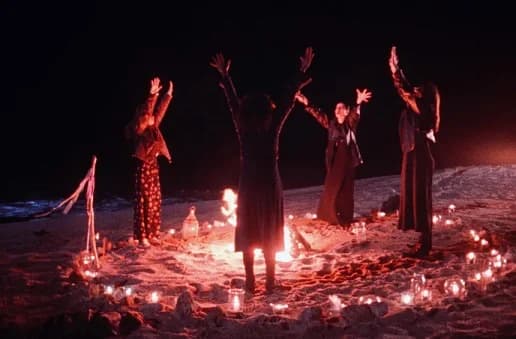
Generation Z is increasingly turning to horror cinema not just for the thrill, but as a mirror to the profound real-world anxieties they face. Amidst a backdrop of global instability—including an uncertain economy, the lingering effects of the COVID-19 pandemic, and the persistent threat of school shootings—this demographic is finding resonance in films that portray deep-seated societal issues. Experts suggest that for a generation raised in a state of perpetual crisis, the horror genre offers a unique form of catharsis and an honest reflection of their existential realities.
Therapist Lauren Cook notes that horror films and digital projects like "Obsession" and "Backrooms" serve as more than just entertainment; they are a psychological outlet for exploring complex modern themes. These narratives often delve into "red pill" culture and existential trauma, topics that strike a chord with young viewers who have navigated a tumultuous upbringing. By placing these fears within the controlled environment of a movie screen, Gen Z audiences can process the anxiety that stems from their lived experiences. The popularity of these stories highlights a shift toward narratives that prioritize atmospheric dread and societal commentary over traditional jump scares.
Ultimately, the surge in horror’s popularity among Gen Z underscores a broader cultural shift where entertainment is increasingly used to navigate mental health challenges. As this generation continues to influence the film industry, creators are likely to lean further into psychological and social horror that addresses the specific traumas of the 21st century. By transforming abstract fears into tangible on-screen monsters, Gen Z is not just seeking a scare—they are seeking a way to understand and confront a world that often feels more frightening than the movies themselves.