••
Stakeholders demand GES accountability over Obuasi SHTS sexual abuse case
•2 min read•5 sources
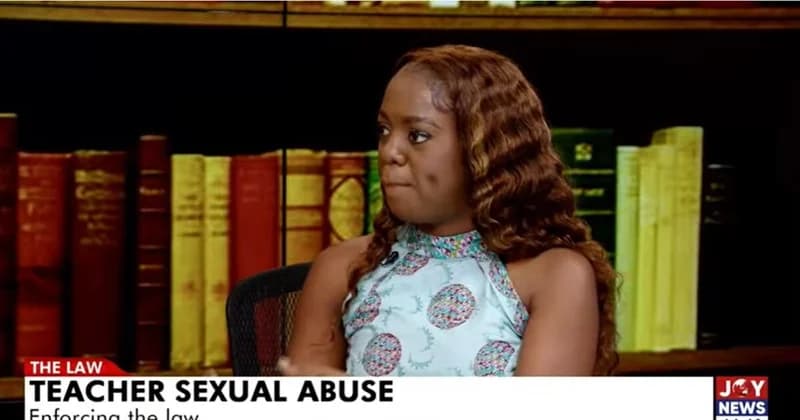
Stakeholders and legal experts are calling for the Ghana Education Service (GES) to be held accountable for its delayed response to a sexual abuse scandal at Obuasi Senior High Technical School (SHTS). Despite the service's Code of Conduct allowing for immediate interdiction in such cases, investigation reveals that complaints against the school's headmaster, Zakaria Abdulai, were ignored for over a year. While Abdulai has been suspended following recent public exposure, critics argue that the delay has compromised the safety of students and the integrity of the educational institution.
Investigative journalist Manasseh Azure Awuni recently brought the matter to light, detailing how female students who reported assaults as early as March were allegedly pressured into silence. The investigation also suggested that internal GES processes may have victimized teachers who attempted to protect the students. Yaw Opoku Mensah, a spokesperson for former Education Minister Dr. Yaw Osei Adutwum, criticized the service for failing to act until a ministerial directive was issued, suggesting that the institutional inertia has undermined public confidence in the GES Director-General.
Legal and moral perspectives have intensified the scrutiny on educational authorities. Marian Darlington of the African Women Lawyers Association stated that adults who were aware of the abuse but failed to intervene share responsibility for the harm caused. She noted that complaints from parents and staff were repeatedly disregarded. Additionally, Lady Rev. Amesika Apprey highlighted a pervasive culture of tolerance that protected the perpetrator at the expense of the victims, calling for a decisive shift in how educational bodies handle such allegations.
The controversy has ignited a broader discussion on the safety of students across the country. Data identified by JoyNews suggests at least 44 previous cases of teacher-related sexual abuse have lacked adequate resolution, pointing to a systemic issue. Stakeholders are now urging the GES to explain its inaction and provide clear protections for those who report misconduct. This case is seen as a critical test of whether the educational system can enforce its own regulations and prioritize the well-being of students over institutional reputation.
Related topic
Ghana Education Service (GES): Latest News Today →

