Ghana News AI
HomeBriefsAsk GhanaTopicsTools
•
•

Stay Informed

Get AI-curated news briefs from Ghana delivered to your inbox every morning. Free forever, no spam.

Explore

  • Home
  • Briefs
  • About

Categories

  • Politics
  • Business
  • Sports
  • Entertainment
  • Africa

Features

  • Analysis
  • Cedi Rates
  • Dollar to Cedi
  • Ghana Gold Price
  • BoG Policy Rate

Topics

  • Armed Forces Recruitment
  • WAEC Results & News
  • Nana Ama McBrown
  • NDC News
  • All Topics

Legal

  • Privacy Policy
  • Terms of Service
Ghana News AI© 2026. All rights reserved.
Made withfor Ghana
health

Ghana Activates National Ebola Response Plan as Outbreaks Surge in DRC and Uganda

5th June•3 min read•9 sources
Ghana Activates National Ebola Response Plan as Outbreaks Surge in DRC and Uganda
  1. Home
  2. /Health
  3. /Ghana Activates National Ebola Response Plan as Outbreaks Surge in DRC and Uganda

Ghana has intensified its public health surveillance and border security measures following a significant rise in Ebola cases across the Democratic Republic of Congo (DRC) and Uganda. Dr. Franklin Asiedu-Bekoe of the Ghana Health Service (GHS) announced the activation of a national response plan, which includes enhanced laboratory testing, clinical case management, and the distribution of updated case definitions to health facilities nationwide. Although Ghana has reported no confirmed cases of the virus to date, the World Health Organization (WHO) has declared the current situation a Public Health Emergency of International Concern. This urgency is compounded by the fact that the outbreaks involve the Bundibugyo strain of the virus, for which there are currently no approved vaccines or treatments.

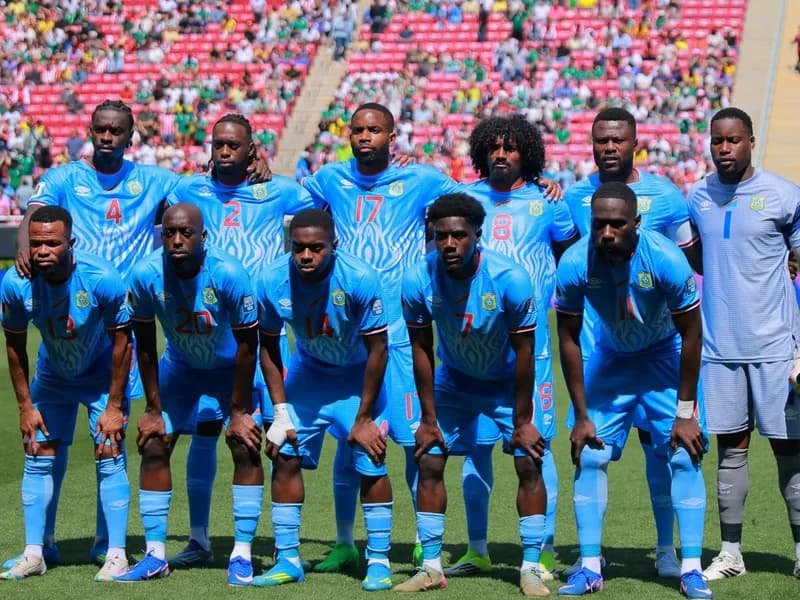
In the DRC, the situation remains volatile, with official reports indicating approximately 381 confirmed cases and 64 deaths, while Uganda has recorded 15 confirmed cases and one fatality. The US Centers for Disease Control and Prevention (CDC) has issued a stern warning that without robust intervention, the outbreak could mirror the scale of the 2014 West Africa crisis, with models suggesting a 65% chance of exceeding 20,000 cases within three months. International concern has already impacted global events; notably, a pre-World Cup friendly match between the DRC and Chile in Spain was cancelled after local health authorities cited public health risks and the need for strict 21-day isolation periods for travelers from affected zones.

Efforts to contain the virus in Central Africa face severe logistical and social hurdles. In the DRC’s South Kivu province, a burial team was recently attacked by residents in Katana, highlighting persistent community mistrust and resistance to official health protocols. Such incidents, combined with ongoing regional conflict, have hindered contact tracing efforts, which currently stand at only 45% in some affected areas. WHO Director-General Dr. Tedros Adhanom Ghebreyesus has emphasized that while the global risk remains low, the local risk is very high, necessitating improved community engagement to facilitate safe burials and effective monitoring.

To safeguard its borders, the Ghanaian government is investing in health infrastructure upgrades at key entry points, including Aflao and Kotoka International Airport. Deputy Minister Dr. Grace Ayensu-Danquah highlighted that these upgrades will address gaps in personnel, logistics, and medical supplies to bolster rapid response capabilities. Currently, Ghana has three specialized laboratories equipped to confirm Ebola infections, and the Ghana Infectious Disease Centre is on standby to manage suspected cases. Public health officials continue to urge vigilance among travelers and healthcare workers, balancing the need for strict screening with the WHO’s recommendation against blanket travel bans that could disrupt essential supply chains.

Our Take

From the Team

Coming Soon

Our team will add key insights, trends, and actionable takeaways to help you stay informed faster.

This story touches markets covered on Anansi Intelligence ↗.

More from health

Continue exploring similar stories

Mental Health Authority Moves to Shut Down Illegal Kumasi Spiritual Centre Housing 2,000 Patients
health|Yesterday

Mental Health Authority Moves to Shut Down Illegal Kumasi Spiritual Centre Housing 2,000 Patients

The Mental Health Authority (MHA) has initiated decisive steps to close an unlicensed spiritual healing center in Kumasi that is currently housing more than 2,000 individuals with mental health conditions. Dr. Eugene Kobla Dordoye, the Chief Executive of the Authority, revealed that the facility's operations have become illegal following the expiration of its operating license. This intervention underscores a growing effort by the MHA to regulate traditional and spiritual healing practices that often operate outside the bounds of modern medical standards and established human rights protocols in Ghana. Serious concerns regarding the welfare of the patients prompted the enforcement action. Reports have emerged of inhumane treatment within the facility, specifically the practice of chaining individuals, which not only violates basic human rights but also severely hinders necessary medical intervention. Dr. Dordoye emphasized that while the center previously held a valid license, its current status prevents it from legally providing care. The presence of such a high number of residents makes this one of the largest unlicensed facilities the Authority has addressed, highlighting a significant gap in the oversight of mental healthcare providers in the Ashanti Region. In addition to the planned closure, the MHA is using this case to educate the public on the dangers of seeking unregulated care for psychiatric conditions. Dr. Dordoye strongly advised against self-medicating or sending relatives to uncertified spiritual centers, urging families to seek professional medical guidance from accredited psychiatric hospitals and clinics instead. By insisting on strict adherence to national care standards, the Authority aims to ensure the dignity, safety, and proper rehabilitation of all patients, transitioning Ghana's mental health landscape toward a more clinical and compassionate framework.

FDA Reports GH¢70 Million Surplus Amid Warnings Over Hazardous Plantain Ripening Chemicals
health|Yesterday

FDA Reports GH¢70 Million Surplus Amid Warnings Over Hazardous Plantain Ripening Chemicals

The Food and Drugs Authority (FDA) of Ghana has announced a significant financial milestone, recording a GH¢70 million surplus for the 2025 fiscal year. This represents a 51% increase from the GH¢46 million surplus reported the previous year. During the FDA’s Annual Stakeholders’ Meeting in Accra, Deputy Director of Finance Samuel Adom-Siaw revealed that total assets have risen to GH¢358 million, while liabilities have seen a notable decrease. Despite a total revenue of GH¢420 million, the Authority faced a GH¢95 million shortfall against its projected targets, a discrepancy largely attributed to recent currency fluctuations. While the financial outlook remains robust, the FDA warned that outdated laboratory equipment and the persistent influx of illicit products continue to pose significant operational challenges. In tandem with its financial reporting, the FDA has intensified its regulatory enforcement, specifically targeting hazardous food handling practices in local markets. A recent survey conducted at Accra’s Madina market revealed the unauthorized use of chemicals, such as Ethemax, to artificially accelerate the ripening of plantains. The Authority cautioned market women against this practice, noting that improper mixtures of ripening agents can lead to serious health complications for consumers. In addition to Ethemax, the FDA highlighted the extreme dangers associated with acetylene, another harmful substance used by some traders. Rather than imposing immediate bans, the FDA is prioritizing education, with training sessions scheduled to teach traders safer agricultural and handling practices. The rise in chemical-related food safety concerns has prompted calls for greater consumer vigilance. CDA Consult, a prominent advocacy group, has underscored that government regulation alone is insufficient to protect public health. Through its campaign, "The Trust Economy: Verify Before You Buy," the organization is urging Ghanaians to transition from passive purchasing to active verification of product safety. Executive Director Francis Ameyibor argued that fostering a culture of authentication among consumers is essential for reducing health risks and maintaining market integrity. The group is seeking broader collaboration with stakeholders to ensure that safety standards are upheld across the country’s food supply chain. Moving forward, the FDA aims to leverage its financial surplus to modernize its facilities and strengthen its regulatory oversight. With over 24,000 product applications processed in the past year, the Authority is focused on upgrading its laboratory infrastructure to better detect illicit products and contaminants. By combining increased financial capacity with stakeholder collaboration and public education, the FDA and organizations like CDA Consult hope to create a more transparent and safer marketplace for all Ghanaians. These efforts reflect a broader commitment to public health safety under the current administration, ensuring that economic growth in the health sector translates into tangible protections for the citizenry.

Ghana Activates Ebola Surveillance as DRC Outbreak Surpasses 5,000 Cases
health|Yesterday

Ghana Activates Ebola Surveillance as DRC Outbreak Surpasses 5,000 Cases

Ghana has heightened its national health surveillance systems following a significant surge in Ebola cases in the Democratic Republic of Congo (DRC). Health Minister Kwabena Mintah Akandoh announced the activation of screening protocols at all major entry points and health facilities across the country to prevent the potential importation of the virus. This proactive response comes as official data from the DRC confirms that the current outbreak—the 17th in that nation's history—has exceeded 5,000 cases, surpassing the records set during the 2018-2020 epidemic. The situation in Central Africa is particularly critical due to the specific strain of the virus involved. This outbreak is caused by the Bundibugyo species of Ebola, which currently lacks approved vaccines or specialized treatments. With the death toll in the DRC now standing at 2,378, health officials are facing immense challenges, including a fragile healthcare infrastructure and localized community resistance. These factors have necessitated a high state of alert in West African nations like Ghana to ensure early detection and containment. To bolster domestic readiness, the Ministry of Health is collaborating with the Noguchi Memorial Institute for Medical Research to enhance testing and diagnostic capabilities. Minister Akandoh emphasized that the goal is to ensure that any suspected cases are identified immediately upon entry into the country. He underscored that the activation of these surveillance systems is essential for safeguarding public health and ensuring that medical personnel are prepared to execute isolation and management protocols without delay. Beyond immediate containment, Minister Akandoh has called for a broader strategy of regional cooperation among African nations. He advocated for increased information sharing and the exchange of technological expertise through the Africa CDC to foster a unified response to health threats. Furthermore, the Minister stressed the importance of investing in local pharmaceutical production to reduce Africa's dependency on external health supplies. By strengthening local manufacturing and regional coordination, the Minister believes the continent will be better equipped to manage and mitigate the impact of future infectious disease outbreaks.

WHO/UNICEF Report: Five in Six Ghana Health Facilities Fall Short of Basic Sanitation Standards
health|Yesterday

WHO/UNICEF Report: Five in Six Ghana Health Facilities Fall Short of Basic Sanitation Standards

A new joint report by the World Health Organization (WHO) and UNICEF has revealed a critical shortfall in sanitation infrastructure within Ghana’s healthcare system. As of 2025, only 16% of health facilities in the country meet basic sanitation standards, a figure that is significantly lower than the global average of 40%. This finding indicates that five out of every six health facilities in Ghana are currently falling short of the requirements necessary to ensure safe and hygienic environments for patients and healthcare workers. The data paints a concerning picture of the Water, Sanitation, and Hygiene (WASH) landscape across the nation. While 16% meet the basic threshold, the vast majority—approximately 74%—operate with only limited sanitation services. Even more alarming is the revelation that 10% of health facilities in Ghana possess no sanitation facilities whatsoever. This lack of infrastructure undermines the quality of care and compromises the safety of both patients and medical staff, particularly in rural or underserved areas where these gaps are often most pronounced. Beyond sanitation, the report assessed other essential metrics, showing that Ghana continues to lag behind global benchmarks in several categories. Basic water services were available in 65% of facilities, while only 54% met the criteria for hygiene services. The management of medical waste remains one of the most significant challenges, with a mere 27% of facilities adhering to basic healthcare waste management requirements. This specific failure raises the risk of cross-contamination and the spread of infectious diseases within the very institutions designed to treat them. The WHO and UNICEF findings emphasize that basic WASH services are fundamental to providing safe, dignified, and high-quality healthcare. The report serves as a call to action for the government and health authorities to prioritize investment in sanitation infrastructure. Strengthening these services is seen as essential for reducing hospital-acquired infections and ensuring that Ghana can meet its broader public health goals under the current administration of President John Mahama.

All
africa
business
education
entertainment
health
news
politics
sports
technology