••
Ghanaian Regulatory Bodies Intensify Crackdown on Unlicensed Healthcare and Food Facilities
•3 min read•8 sources
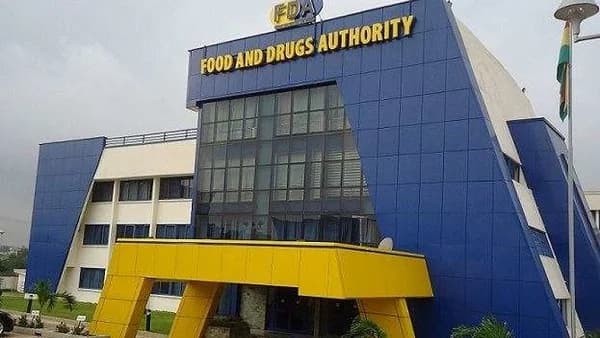
Ghana's healthcare and food safety sectors are undergoing a significant period of regulatory scrutiny as the Allied Health Professions Council (AHPC) and the Food and Drugs Authority (FDA) ramp up enforcement actions. Recent inspections by the AHPC have uncovered widespread breaches, including the presence of unqualified practitioners and substandard facilities. These findings have led to the immediate closure of several health departments and the imposition of sanctions on non-compliant practitioners. Simultaneously, the FDA has shut down 44 food manufacturing facilities, including sachet water producers and cold stores, particularly in the Ga East and Ga West Municipalities, due to unlicensed operations and hazardous conditions.
The enforcement exercises have sparked a national conversation regarding the adequacy of the current regulatory framework. Critics and stakeholders argue that the existing system is primarily reactive, addressing violations only after they occur rather than preventing them. The Allied Health Professions Council's recent findings have specifically highlighted the risks posed to patient safety when practitioners lack the necessary credentials. Healthcare advocates are now calling on the Ministry of Health to implement comprehensive reforms that prioritize a proactive approach, emphasizing regular inspections, the use of digital verification platforms for practitioner credentials, and enhanced coordination between various regulatory bodies.
In the food sector, the FDA's closure of facilities like Virgen Natural Mineral Water underscores the persistent challenge of unregistered products entering the Ghanaian market. Mrs. Rhoda Ewurabena Appiah, the FDA’s Head of Communications, has urged the public to remain vigilant and verify the registration status of products before consumption. This warning is part of a broader effort to protect public health from cheap but potentially dangerous unregistered goods. The FDA’s actions demonstrate a commitment to enforcing safety protocols across the food supply chain to mitigate the risk of waterborne and foodborne illnesses.
Parallel to these enforcement efforts, experts in the traditional medicine sector are advocating for systemic improvements. During the 25th anniversary of the Department of Herbal Medicine at the Kwame Nkrumah University of Science and Technology (KNUST), stakeholders called for a unified national standard for herbal medicines. They emphasized the need for the government to harmonize FDA regulations and expand access to the Essential Herbal Medicines List. These experts argue that better financial support for research and standardized regulations are essential to integrating herbal medicine more effectively into the national healthcare system while ensuring public safety and acceptance.
Ultimately, the recent wave of closures and sanctions highlights a critical need for a more integrated and preventive regulatory environment in Ghana. By shifting from a reactive stance to one focused on prevention and public education, regulatory bodies aim to create a safer landscape for both healthcare services and consumer goods. The call for reform suggests that future safety will depend on improved inspection protocols, better funding for research, and a more informed public that can actively participate in verifying the legitimacy of the services and products they utilize.
This story touches markets covered on Anansi Intelligence ↗.
More from health
Continue exploring similar stories


