••
Ghana AIDS Commission Records Over 1,145 New HIV Infections in Bono Region as Global Health Experts Monitor Parasitic Outbreak
•3 min read•5 sources
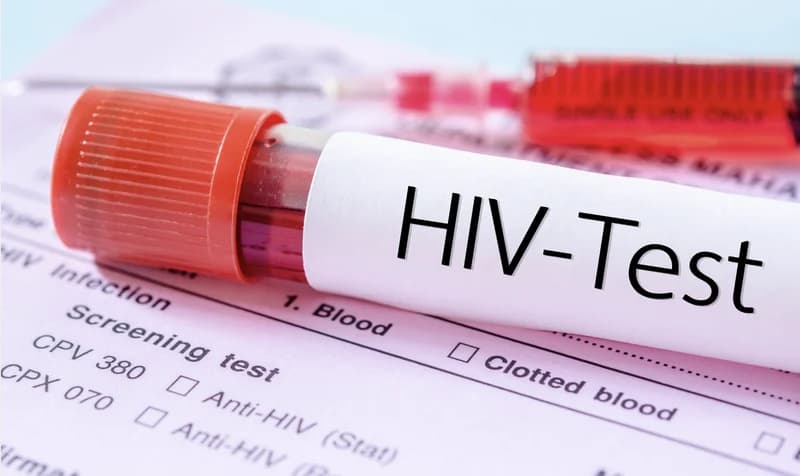
The Ghana AIDS Commission (GAC) has raised an alarm over a significant surge in HIV infections within the Bono Region, recording 1,145 new cases between January and May 2026. Mr. Ahmed Ibrahim Bambilla, the GAC Regional Technical Coordinator for Bono, Bono East, and Ahafo, disclosed that the virus is spreading rapidly, particularly among vulnerable populations. This data underscores a pressing public health challenge in the region, prompting immediate calls for increased vigilance, regular testing, and the adoption of preventative measures to halt the rising trend of new infections. Within the region, the Sunyani Municipality emerged as the hardest-hit area with 222 confirmed new infections. Other significantly affected areas include the Berekum Municipality with 184 cases and the Jaman South Municipality with 126. Mr. Bambilla emphasized that the high infection rates in these urban centers necessitate a targeted approach to public health intervention, focusing on areas with high population density and social mobility where the risk of transmission is statistically higher. In response to the rising figures, the GAC is intensifying its distribution of Pre-Exposure Prophylaxis (PrEP), a preventative medication designed to reduce the risk of infection for individuals at high risk. Health officials are also urging those already living with the virus to maintain consistent medication adherence to suppress viral loads and improve health outcomes. Mr. Bambilla further advised the public to prioritize regular HIV status checks and to avoid unprotected sex, which remains a primary driver of the infection's spread across the three regions under his supervision. While Ghana tackles regional HIV spikes, global health authorities are grappling with a separate mystery involving a parasitic outbreak in the United States. A severe diarrheal illness known as Cyclosporiasis has spread across 31 states, affecting more than 3,000 individuals, with Michigan reporting the highest concentration of cases. Similar to the challenges in Ghana, health officials abroad are struggling with resource constraints—including federal funding cuts—and complex testing requirements that hinder the identification of contaminated food sources, leading to a recommendation that citizens thoroughly wash and cook produce. Both situations highlight the ongoing vulnerability of public health systems to infectious diseases, whether through known viruses like HIV or emerging parasitic threats. In the Bono Region, the GAC intends to continue its outreach and preventative education to curb the infection rate before the end of the year. Globally, the reliance on robust monitoring, adequate funding for health agencies, and public cooperation remains essential for containing outbreaks and ensuring the long-term safety of vulnerable communities.
This story touches markets covered on Anansi Intelligence ↗.
More from health
Continue exploring similar stories


