••
Ghana AIDS Commission Sounds Alarm as Over 107,000 Citizens Live with Undiagnosed HIV
•3 min read•20 sources
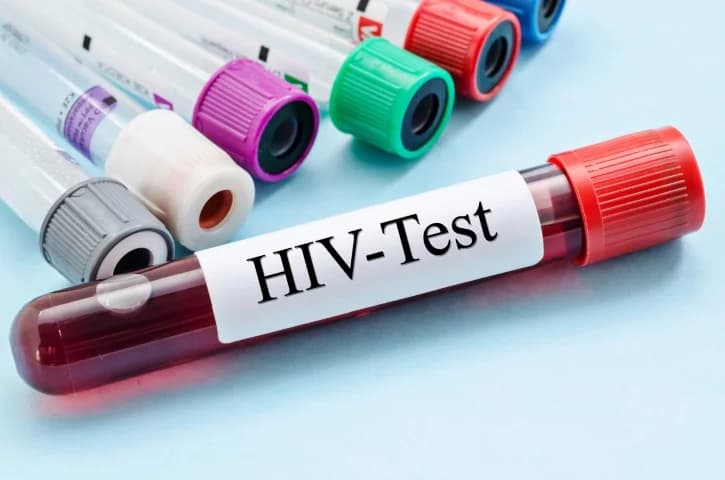
The Ghana AIDS Commission (GAC) has revealed a critical gap in the nation’s public health response, reporting that more than 107,000 people living with HIV in Ghana are currently unaware of their status. This undiagnosed population represents approximately 32% of the estimated 337,435 individuals living with the virus nationwide. Dr. Kyeremeh Atuahene, Director-General of the GAC, warned that this lack of awareness is a primary driver of new infections and contributes to roughly 12,614 AIDS-related deaths annually. With a national adult prevalence rate of 1.4%, the Commission is intensifying its efforts to meet the UN 95-95-95 targets and eliminate AIDS as a public health threat by 2030.
Regional data highlights significant geographic disparities, with the Greater Accra and Ashanti regions emerging as the primary epicenters of the epidemic. Greater Accra leads the country with 77,512 cases, particularly concentrated in Korle-Klottey, Tema, and the Accra Metropolitan Assembly. The Ashanti Region follows closely with 68,354 cases and 2,852 new infections recorded in the latest reporting period. Within Ashanti, the Asokwa district recorded a notably high prevalence rate of 3.25%. Experts note that while some districts show progress, these high-burden hotspots require urgent, targeted interventions to stabilize infection rates and improve treatment coverage.
Demographic trends show that women and young people aged 15 to 24 are disproportionately affected by the virus. Women account for approximately 65.7% to 67.4% of all new infections, while youth remain a high-risk group due to diminishing effectiveness in traditional abstinence-only campaigns. A particularly concerning "blind spot" exists in mother-to-child transmission; despite a reported 99.3% coverage in prevention services, approximately 1,200 babies were born with HIV in 2024. Health advocates like Dr. Vanessa Apea and Dr. Fred Nana Poku suggest this gap stems from systemic issues, including high transportation costs for antenatal care and the persistent social stigma that prevents mothers from seeking timely testing.
To bridge the testing gap and combat societal stigma, the GAC is aggressively promoting HIV Self-Testing (HIVST) kits, which allow individuals to screen themselves in the privacy of their homes. Access to Antiretroviral Therapy (ART) remains free at all public health facilities, and the Commission is urging the public to utilize these resources to manage viral loads and prevent further transmission. Moving forward, the GAC emphasizes that ending the epidemic will require not just medical intervention, but a shift in the national narrative to ensure dignity, confidentiality, and sustained investment in healthcare infrastructure to reach the most vulnerable populations.
This story touches markets covered on Anansi Intelligence ↗.
More from health
Continue exploring similar stories


