••
Ghana Drives Economic Transformation Through Volta Region Investment and China’s Zero-Tariff Trade Access
•3 min read•4 sources
Ghana is intensifying its efforts to attract high-value, productive investments and expand its international trade footprint, highlighted by significant diplomatic engagements in the Volta Region and a landmark trade agreement with China. This strategic shift aligns with a recent mandate from the Ghana Free Zones Authority (GFZA) for the nation to move beyond merely attracting capital toward securing investments that foster local industrialization, job quality, and technology transfer. At the launch of the 2025 Annual Investment Report, GFZA Deputy CEO Latif Abdul Oduro emphasized that national strategies must prioritize sectors such as agro-processing, pharmaceuticals, and ICT to ensure Ghanaian enterprises can compete internationally on both quality and cost.
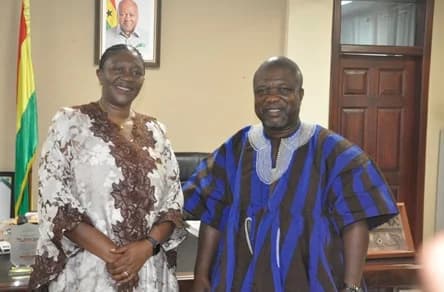
The Volta Region has emerged as a central focal point for these economic explorations, attracting both diplomatic and private sector interest. Ndiyakupi Nghituwamata, the High Commissioner of Namibia, recently initiated a five-day economic familiarization tour of the region to explore trade and investment opportunities in tourism and agriculture. This visit, supported by Regional Minister James Gunu, aims to deepen the historical ties between the two nations through practical economic cooperation. Simultaneously, Dr. Gabriel Tanko Kwamigah-Atokple, the Volta Regional Representative on the Council of State, has been engaging with American investor John P. Rochon. Their discussions have centered on lithium exploration and local resource development, highlighting the region’s potential for sustainable industries due to its strategic proximity to Togo and the absence of illegal mining.
On the international trade front, Ghana is poised for a significant export boost following China’s decision to grant zero-tariff treatment to Ghanaian products. Effective May 1, 2026, this policy will allow key commodities—including cocoa, cashew kernels, and textiles—to enter the Chinese market at significantly lower costs. While the policy represents a major opportunity for the Ghanaian economy, stakeholders and the Chinese Ambassador to Ghana have cautioned that tariff-free access must be met with improved production capacity. They stressed that local exporters must enhance their market knowledge and output consistency to fully capitalize on this preferential access to one of the world's largest consumer bases.
These converging developments signal a comprehensive approach to economic growth under the current administration of President John Mahama. By linking regional resource potential with international trade incentives and a focus on productive industrialization, Ghana aims to translate investment data into tangible social outcomes. The ultimate goal, as outlined by the GFZA and regional leaders, is to create a robust economic framework where foreign partnerships directly empower local businesses, foster skills development, and drive the nation’s export-led recovery.
Related topic
John Mahama: Latest News & Updates →
