••
Ghana’s Governance Reforms Gain Momentum as Stakeholders Debate Constitutional Amendments and Institutional Independence
•3 min read•7 sources
Ghana’s constitutional reform process is transitioning from consultation to implementation, centering on a proposal to cap Parliament at 300 members. Under this plan, the current 276 constituency seats will remain, while 24 additional seats will be allocated through proportional representation to enhance the inclusion of women, youth, and persons with disabilities. However, the Institute of Economic Affairs (IEA) has expressed significant opposition to certain government positions, with former Chief Justice Sophia Akuffo advocating for reduced presidential appointment powers and more robust checks on executive authority. The IEA has specifically rejected proposals to extend presidential and parliamentary terms from four to five years, asserting that the current framework is sufficient for national development and democratic accountability.
Parallel to these constitutional debates, the Institute of Chartered Accountants, Ghana (ICAG) is calling for strengthened legal protections for oversight bodies. Dr. Valentin Kwasi Mensah recently highlighted the vulnerabilities of the Auditor-General, the Internal Audit Agency, and the State Interests and Governance Authority (SIGA) to political interference. Referencing the removal of former Auditor-General Daniel Yaw Domelevo, the ICAG is pushing for budgetary autonomy and constitutional status for these agencies to safeguard their functionality. This move aligns with broader efforts to improve the governance of state-owned enterprises (SOEs), which Professor Henry Kwasi Prempeh noted pose significant economic risks if left without adequate statutory safeguards.
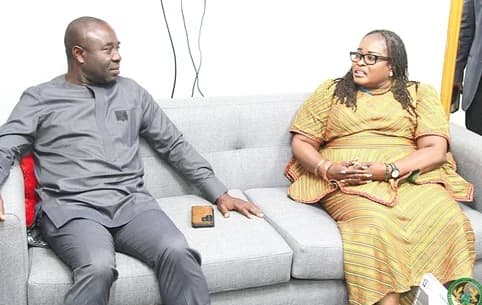
In the labour sector, the Minister of Labour, Employment and Job Creation, Emmanuel Kwadwo Agyekum, is leading the establishment of the Independent Public Emoluments Commission (IPEC). Supported by President John Mahama, the Minister assured stakeholders that IPEC is designed to create a competitive compensation structure for the public sector without undermining the existing powers of SOE boards. Simultaneously, Minister Agyekum pledged to revitalize the National Labour Commission (NLC), which is currently operating with fewer than 50 of its required 147 personnel. These reforms aim to improve the resolution of labour disputes and ensure that the NLC can expand its services to northern Ghana, reducing the need for costly court litigation.
Despite these legislative and institutional advancements, challenges persist in the energy and judicial sectors. The Chairman of Parliament’s Energy Committee, Emmanuel Bedzrah, has urged the Ministry of Finance to release $5.6 million owed to the Petroleum Commission to ensure its regulatory independence from the Ghana National Petroleum Corporation (GNPC). Meanwhile, legal observers continue to raise alarms over the systemic failure to uphold the constitutional 48-hour rule for arrested individuals. Because courts often do not sit on weekends, administrative delays frequently lead to prolonged detentions, highlighting a critical gap between constitutional mandates and the reality of law enforcement that reformers must address to restore public trust in the justice system.
Related topic
John Mahama: Latest News & Updates →

