••
Ghana’s Energy Sector Navigates Crisis as Crude Production Hits Six-Year Low Amidst Rising Petroleum Price Floors
•3 min read•10 sources
Ghana's upstream oil and gas sector is at a critical crossroads as the country grapples with a sixth consecutive year of declining crude oil production. According to reports from the Institute for Energy Security (IES), production has plummeted nearly 50% from its 2019 peak of 71.44 million barrels to a projected 37.30 million barrels in 2025, with further declines expected in 2026. This downturn has triggered a dramatic 43% decrease in total petroleum receipts, which fell from $1.36 billion in 2024 to approximately $770.27 million. The crisis is attributed to aging oil fields, natural depletion, and a lack of new petroleum agreements since 2018, significantly impacting government revenue and infrastructure financing.
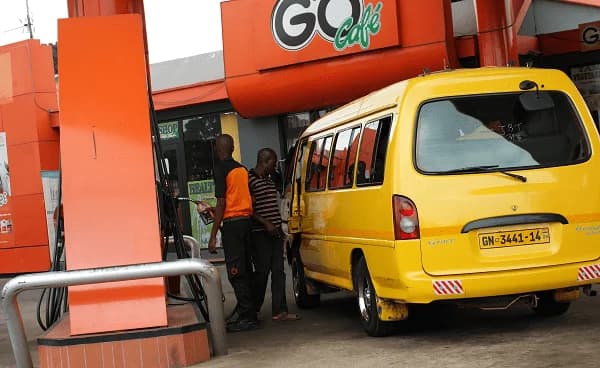
Adding to the economic strain, the National Petroleum Authority (NPA) has increased the indicative price floors for petroleum products for the second half of July 2026. Effective July 16, the price of petrol has been raised to GH¢ 13.28 per litre, while diesel has jumped 6% to GH¢ 14.35 per litre. Liquefied Petroleum Gas (LPG) also saw an adjustment to GH¢ 10.19 per kilogram. While the NPA maintains that these price floors—first introduced in April 2024—are necessary to prevent price distortions and ensure market stability, industry players have expressed concern that the policy restricts consumers from benefiting from potential market price drops.
The local price hikes are largely driven by international volatility rather than domestic currency instability. Global benchmark prices, such as Brent crude, recently surged toward $85 per barrel following escalated geopolitical tensions in the Middle East, specifically involving the U.S. and Iran in the Strait of Hormuz. Because Ghana remains heavily dependent on imported refined petroleum, these global shifts dictate local pricing. In response, industry groups and stakeholders are advocating for a structured automatic price relief mechanism to protect transport operators and manufacturers from sudden spikes that could fuel broader national inflation.
Despite the prevailing challenges, there are emerging signs of a potential rebound through strategic operational successes and new international partnerships. The Jubilee field is currently performing well, with production exceeding 94,000 barrels per day following a successful drilling campaign. Furthermore, the Petroleum Hub Development Corporation (PHDC) recently signed a Memorandum of Understanding with the Qatari conglomerate Al Kaabi Holding Group to invest in Ghana’s Petroleum Hub project. To secure long-term energy security, experts emphasize that the government must continue to prioritize new drilling programs, regulatory reforms, and the restarting of petroleum licensing rounds to reverse the multi-year production decline.

