••
Energy Commission Certifies 884 Electricians as Ghana Expands Professional Standards for Solar and EV Infrastructure
•2 min read•3 sources
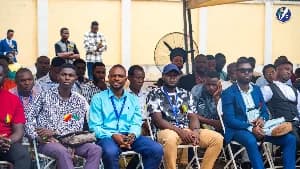
The Energy Commission of Ghana has officially certified 884 new electrical wiring professionals following the completion of the May/June 2026 certification examinations. Announcing the results during the 25th Electrical Wiring Awards Ceremony held in Kumasi, the Commission revealed that the successful candidates emerged from a pool of 1,036 applicants, representing an 85 percent pass rate. This latest cohort brings the total number of certified electrical professionals in the country to 19,442, marking a significant milestone in the national effort to professionalize the sector and enhance public safety through rigorous testing and regulation. Alongside the certification announcement, the Ghana Standards Authority (GSA) issued a stern warning regarding professional integrity and material quality. Mr. Isaac Kusi Appiah, the Ashanti Regional Manager of the GSA, cautioned certified electricians against the illegal practice of renting their professional certificates to unqualified individuals. He emphasized that such actions compromise public safety and that professionals found engaging in this practice would face severe legal consequences. Furthermore, the GSA announced a new initiative to begin certifying cable dealers in the Ashanti Region starting in October 2026. This move is designed to eliminate substandard cables from the market and ensure that only approved materials are used in domestic and industrial installations. As the industry undergoes a rapid transformation, the Energy Commission is also urging practitioners to modernize their skill sets to keep pace with emerging technologies. The Commission highlighted the increasing integration of solar power, battery storage systems, and electric vehicles (EVs) into the national energy landscape. To support this transition, the regulatory body is currently developing new certification syllabi and drafting comprehensive regulations for electric vehicle charging infrastructure. By equipping electricians with specialized knowledge in renewable energy and EV systems, the Commission aims to ensure that Ghana’s workforce is prepared for the next generation of energy infrastructure while maintaining the highest standards of safety and compliance.
