••
Energy Commission Charges 884 New Electricians to Master Solar and EV Technologies
•2 min read•1 source
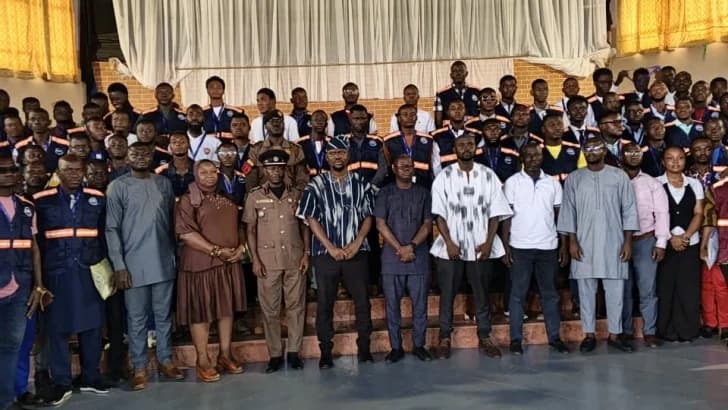
The Energy Commission has officially certified 884 new electrical wiring professionals, urging them to pivot toward emerging technologies such as electric vehicle (EV) charging systems and solar energy installations. At the 25th graduation ceremony for the Electrical Wiring Certification Examination, which saw a total of 1,036 candidates participate, the commission celebrated an 85 percent success rate. This new cohort enters the industry at a pivotal time as Ghana seeks to modernize its power infrastructure and embrace sustainable energy solutions.
Adolf Nii Ashong, the Manager for Electricity and Natural Gas Regulation at the Energy Commission, emphasized the increasing importance of renewable energy and electric mobility in the modern electrical profession. He noted that the sector is evolving rapidly, necessitating a shift in the skills required for certified professionals. To ensure the workforce remains competitive and capable, the commission is currently updating its certification syllabus to formally incorporate advancements in battery storage, solar technology, and EV infrastructure.
Beyond technical proficiency, the Commission highlighted the critical need for maintaining high standards in electrical work to mitigate the risk of accidents and property damage. By strictly adhering to regulatory standards, these newly certified professionals are expected to enhance the safety and reliability of the nation's electrical systems. The push for specialization in green technologies is not just an environmental imperative but a safety one, as complex systems like EV chargers require specialized knowledge to install safely.
Looking toward the future, the regulatory framework is being expanded to support these technological shifts. Draft regulations for Electric Vehicle Charging Infrastructure are currently under parliamentary consideration, representing a significant step toward formalizing the EV market in Ghana. Once enacted, these regulations will create significant new opportunities for certified electricians, positioning them as essential players in the country’s transition to a greener and more resilient energy economy.

