••
Government Extends GH¢2 Diesel Subsidy and Suspends D-Levy to Curb Rising Fuel Prices
•2 min read•8 sources
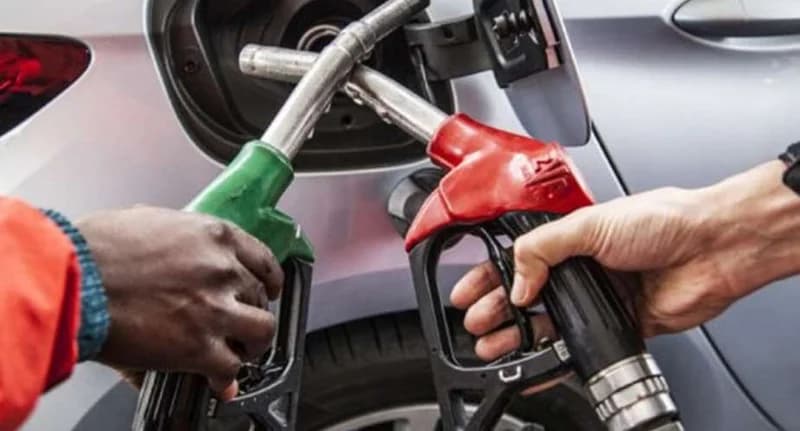
The Government of Ghana has announced a two-month extension of the GH¢2-per-litre subsidy on diesel, covering October and November 2026, to shield consumers from surging international fuel prices. This intervention, confirmed by the National Petroleum Authority (NPA), aims to keep diesel prices below the GH¢20 per litre threshold. NPA CEO Godwin Edudzi Tamakloe noted that without these measures, diesel prices were projected to hit GH¢22 per litre at the pumps. The decision follows an emergency meeting between government officials and industry stakeholders intended to mitigate the impact of global crude oil volatility on the domestic economy.
To fund the extension, the government has revised its financing mechanism, shifting to a 'burden-sharing' framework. The GH¢2 relief will now be split equally: GH¢1 will come from the temporary suspension of the Energy Sector Shortfall and Debt Repayment Levy (D-Levy) on diesel, while the remaining GH¢1 will be absorbed through a reduction in statutory industry margins. This move is specifically designed to counteract projections from the Chamber of Petroleum Consumers (COPEC), which had forecasted a 22.91% increase in diesel prices and a 5.21% rise in petrol prices starting in October due to international market trends and a slight depreciation of the cedi.
Government spokesperson Felix Kwakye Ofosu indicated that the review of the subsidy was prompted in part by a recent 8% increase in public transport fares. While the current relief is focused on diesel—the primary fuel for commercial transport—the government is reportedly monitoring market conditions to determine if similar interventions are necessary for petrol. Duncan Amoah, Executive Director of COPEC, noted that while the D-Levy suspension provides significant relief, the government faces a substantial financial burden in maintaining these subsidies over an extended period.
Despite the relief for motorists and businesses, the intervention has raised concerns within the petroleum downstream sector regarding outstanding payments. Oil Marketing Companies (OMCs) have expressed anxiety over delayed reimbursements from previous subsidy cycles, which could affect their operational liquidity. As the government continues to assess the geopolitical landscape influencing oil prices, the focus remains on balancing consumer protection with the financial sustainability of the Energy Sector Levy Act (ESLA) and the broader energy sector value chain.
Live rates
Dollar to cedi rate →