••
Ghanaian Farmers Face Triple Threat from Sand-Winning, Impending Floods, and Infrastructure Failures
•3 min read•3 sources
Agricultural livelihoods across Ghana are under significant pressure as rural communities face a convergence of environmental and infrastructural crises. From the destruction of over 50 acres of farmland in the Greater Accra Region due to illegal sand-winning to the looming threat of the Bagre Dam spillage in the North East and the tragic loss of livestock in the Oti Region, farmers and herders are calling for urgent state intervention. These incidents highlight the extreme vulnerability of the nation's food security to both human-induced land degradation and natural disasters.
In Tsumkpo, within the Shai Osudoku District, more than 50 acres of vital farmland have been devastated by sand-winning activities. Farmers report the total loss of staple crops, including maize, cassava, groundnuts, and pepper. Samuel Kateinor, a 92-year-old farmer, expressed deep distress over the destruction of land he has cultivated for decades. The situation is further complicated by administrative confusion; while Assembly Member Israel Kweku Animle noted that operators were using expired permits intended for different locations, District Chief Executive Ignatius Godfred Dordoe maintained that no authorization had been granted for the current activities. Residents are now demanding a full investigation and an immediate halt to the operations to prevent further permanent land degradation.
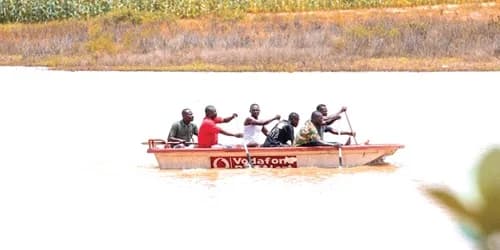
Simultaneously, farmers along the White Volta in the North East Region are bracing for potential disaster as Burkina Faso’s Bagré Dam approaches its maximum capacity. Currently at 92.38% volume, the reservoir’s imminent spillage threatens to wash away immature crops. The National Disaster Management Organisation (NADMO) has initiated emergency response strategies, including water-level monitoring and safety advisories. This perennial threat is exacerbated by the fact that many farmers rely on the fertile but flood-prone riverbanks; with the neighboring Kompienga Dam already opening a floodgate, there are grave fears of a repeat of previous catastrophic agricultural losses.
Infrastructural failures have also claimed animal lives in the Oti Region, adding to the rural distress. In the farming community of Abrewanko, at least 10 cattle were electrocuted after coming into contact with a fallen high-tension electricity cable submerged in a stream. Ericson Adonteng Boateng, the Assembly Member for Katanga East, revealed that the live cable had remained in the water for three days before the tragedy occurred. This incident highlights a dangerous delay in utility maintenance that continues to pose a lethal risk to both residents and their livestock.
These disparate incidents across Greater Accra, the North East, and Oti regions illustrate the multi-faceted challenges facing Ghana's agricultural sector. Whether through the lack of regulatory oversight in sand-winning, the seasonal risks of international water management, or the failure of rural infrastructure, the impact on food production and rural income remains severe. As local authorities and NADMO move to address these immediate crises, there is a growing consensus on the need for more robust land-use policies and faster utility response times to safeguard the nation’s agricultural backbone.