••
Ghana’s Financial Sector Hits GH¢647bn as Bank of Ghana Signals Economic Resilience Amid Global Pressures
•3 min read•12 sources
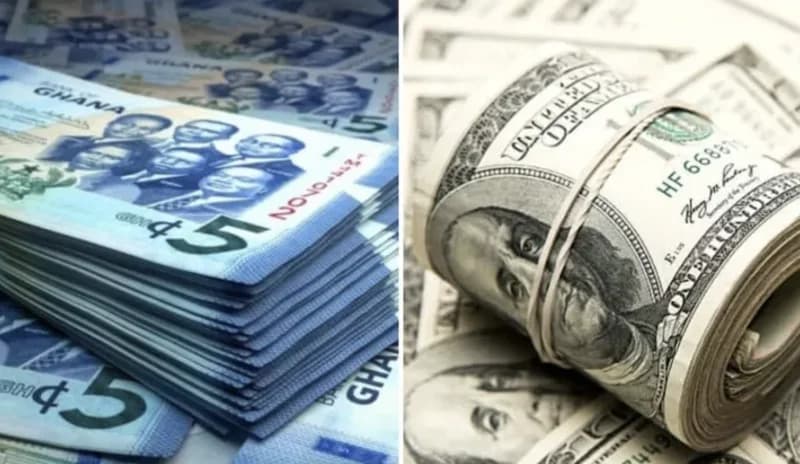
Ghana’s financial sector has demonstrated remarkable resilience, with total assets surging by 23.3% to reach GH¢647.25 billion in 2025, representing approximately 45.1% of the nation’s GDP. At the launch of the 2025 Financial Stability Review, themed "From Stress to Stability: Staying on Course," Bank of Ghana (BoG) officials highlighted a significant transition from the macroeconomic shocks of previous years toward a period of sustained growth and solvency. Governor Dr. Johnson Asiama, opening the 130th Monetary Policy Committee (MPC) meeting, emphasized that the economy remains robust despite a difficult external environment characterized by Middle Eastern conflicts and energy price shocks. He noted that the central bank is currently evaluating the 14.0% policy rate to ensure continued stability and improved credit access for local businesses.
Key macroeconomic indicators further support this narrative of recovery. Ghana’s current account surplus for the first quarter of 2026 exceeded the previous year’s performance by $652 million, signaling a positive evolution in external buffers. Investor confidence also remains high, evidenced by a 34.8% oversubscription in a recent Treasury bill auction, where total bids reached GH¢5.80 billion against a target of GH¢4.30 billion. While yields have risen across all tenors due to lingering inflation concerns, the strong demand suggests that domestic investors are increasingly optimistic about the government’s fiscal strategy and its move toward the proposed Policy Coordination Instrument (PCI) to reduce long-term reliance on IMF resources.
To safeguard these gains, the Bank of Ghana is tightening risk oversight through several new regulatory initiatives. Second Deputy Governor Matilda Asante-Asiedu announced the implementation of a robust conglomerate supervision framework and a risk matrix for virtual asset services following the 2025 Virtual Assets Service Providers Act. Additionally, the BoG has moved to calm market anxieties regarding the cedi, which has seen a nearly 7% depreciation year-to-date. The Central Bank assured businesses and banks that it holds adequate dollar reserves to meet market demand, stating that its Foreign Exchange Intermediation Programme will continue to be driven by hard data rather than market sentiment.
This high-level economic stability is beginning to reflect in the private sector and consumer sentiment. UBA Ghana reported a staggering 148% increase in profit before tax to GH¢629.93 million, prompting a local expansion strategy into the Eastern, Bono East, and Central regions for the 2026 financial year. Similarly, the Old Mutual Financial Wellness Monitor indicates that 70% of working Ghanaians believe the economy will improve over the next year. While the report warned of persistent vulnerabilities—notably that only one in three Ghanaians is currently saving for retirement—the overall trend shows a significant decrease in financial stress levels and a gradual return of trust in the formal financial system.
Moving forward, the Bank of Ghana remains committed to balancing digital financial innovation with strict stability protocols. The ongoing reforms in foreign exchange frameworks and reserve management are expected to further solidify Ghana's fiscal position. As the MPC concludes its current review, the focus will remain on maintaining inflation expectations and ensuring that the financial sector's 2025 growth translates into sustainable, long-term economic wellness for all Ghanaians.
Live rates
Bank of Ghana policy rate →
