••
Private Donors and NGOs Scale Up Relief Efforts Following Devastating Floods Across Ghana
•2 min read•6 sources
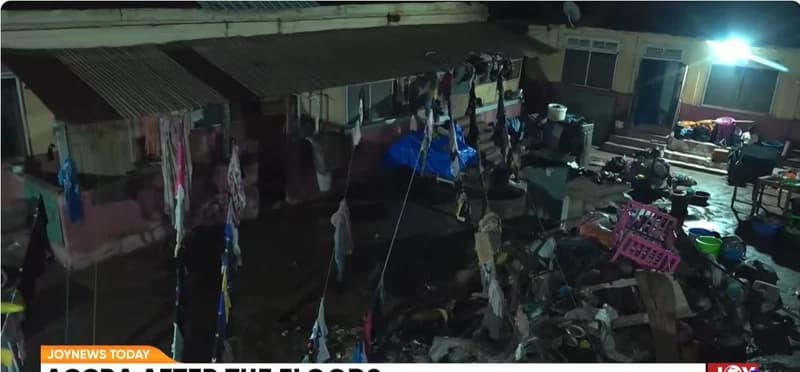
Devastating floods across Ghana, particularly in the Greater Accra and Volta Regions, have left thousands of residents displaced and in urgent need of assistance. Following heavy rains on June 29 and subsequent periods, which caused extensive property damage and disrupted livelihoods, a wave of humanitarian interventions has emerged to support affected households. From the Tse Addo and Avenor communities in Accra to the Agortime-Ziope and Ada West districts, the scale of the disaster has prompted calls for both immediate relief and long-term structural reforms to address the nation's recurring drainage challenges.
In a significant show of corporate social responsibility, Alhaji Amin Iddrisu, founder of the Abuya Group and Abuya Foundation, donated substantial supplies to families in Tse Addo. The contribution included 1,000 bags of rice, 1,000 gallons of cooking oil, and mattresses to help displaced residents recover. Similarly, World Vision Ghana extended support to approximately 700 individuals in the Agortime-Ziope District, providing clothing and personal hygiene products through the National Disaster Management Organisation (NADMO). Regional leaders and Members of Parliament have lauded these timely interventions, emphasizing that such collaborations are vital for effective disaster response and lightening the burden on vulnerable families.
Despite these donations, many communities remain in a state of crisis. In Avenor, residents report sleeping on cold, mud-covered floors with only rubber mats for protection, describing their living conditions as unbearable while they struggle to clear debris from their homes. Dr. Divine Kabutey Agyemang-Lardey of the Inspire Them Foundation has also raised the alarm regarding communities in Ada West, such as Luhuor and Salom, where flooding has severely disrupted education and economic activities. These advocates are urging the government and the private sector to provide more inclusive and timely aid, including food, clothing, and temporary shelter for those still stranded.
Beyond immediate humanitarian aid, there is a growing consensus on the need for systemic change to prevent future occurrences. The Centre for Policy Scrutiny (CPS) and various community leaders have called on the government to fast-track relief efforts and develop a comprehensive long-term strategy involving improved drainage infrastructure and modernized urban planning. Alhaji Amin Iddrisu further emphasized the need to put politics aside during such crises, advocating for a non-partisan approach to disaster management that ensures every affected Ghanaian receives the necessary support to rebuild their lives and livelihoods.