••
Ghana Intensifies Environmental Resilience through Forest Restoration and Upgraded Seismic Monitoring
•2 min read•3 sources
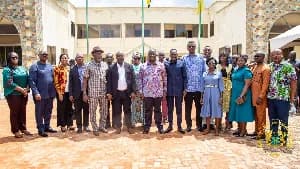
Ghana is ramping up its environmental and disaster management efforts through a series of strategic initiatives aimed at land restoration and seismic safety. Amidst global calls for prioritized land restoration to combat desertification, the government has launched a GH₵27.9 million reclamation project in the Western Region and commissioned a modernized national seismic monitoring network. These efforts, coordinated through the Ministry of Lands and Natural Resources and various state agencies, signal a shift from policy commitments to concrete actions designed to protect livelihoods and national infrastructure.
A major pillar of this environmental drive is the reclamation of 50 hectares of the Tano-Nimiri Forest Reserve, which has been severely degraded by illegal mining activities, commonly known as galamsey. The Ghana Gold Board (GoldBod) has entered a tripartite agreement with the Ghana Armed Forces (GAF) and the Forestry Commission to restore the site. The project, which is set to begin on July 6, leverages the expertise of the Ghana Army’s Engineering Regiment for execution while the Forestry Commission oversees the afforestation phase. This initiative is part of a broader national strategy to mitigate environmental damage and protect Ghana’s natural heritage from unauthorized exploitation.
Parallel to land reclamation, the government has bolstered the nation’s disaster preparedness by upgrading the National Seismic Monitoring Network. Minister of Lands and Natural Resources, Emmanuel Armah-Kofi Buah, recently commissioned the modernized system, which now features real-time data transmission across 20 of its 21 stations. Managed by the Ghana Geological Survey Authority (GGSA), the upgrade is critical for detecting seismic activity near active fault lines where vital infrastructure is located. To complement this technology, the government is introducing mandatory seismic assessments for building permits and stricter enforcement of construction regulations to safeguard lives against potential earthquake hazards.
These localized actions align with international environmental goals, specifically the observance of the World Day to Combat Desertification and Drought on June 17. Gifty Nyarko, the African Ambassador for Inclusive Urban Governance and Climate Resilient Development, has emphasized the theme 'Rangelands: Recognise. Respect. Restore', urging African nations to address the interconnected challenges of food insecurity and biodiversity loss. By integrating forest restoration, seismic monitoring, and sustainable urban governance, Ghana aims to build a more resilient ecosystem capable of withstanding both climate-induced degradation and natural disasters.
Live rates
Ghana gold price →