••
COPEC Forecasts Surge in Fuel Prices: Diesel to Jump 22.91% Starting October 1
•2 min read•6 sources
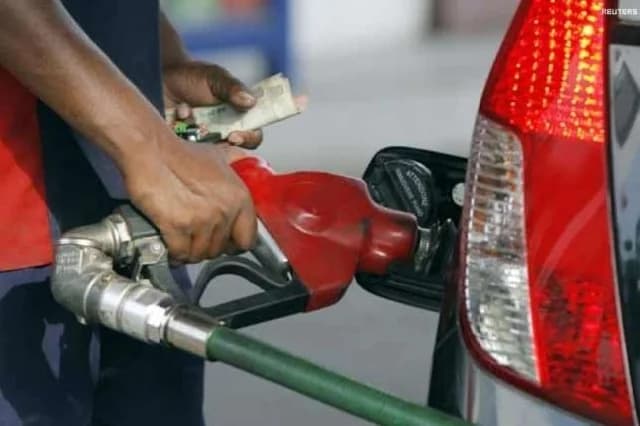
Motorists and businesses across Ghana are bracing for a substantial hike in petroleum costs as the Chamber of Petroleum Consumers (COPEC) projects significant price increases effective October 1, 2026. Diesel consumers are expected to bear the heaviest burden, with prices projected to soar by 22.91%, rising from the current GH₵18.24 to GH₵22.42 per litre. Petrol prices are also slated for an upward adjustment of approximately 5.21%, likely moving from GH₵16.90 to GH₵17.78 per litre, while Liquefied Petroleum Gas (LPG) is expected to reach GH₵15.68 per kilogramme.
The projected price surge is primarily driven by volatility in the international energy market and local currency challenges. According to COPEC, international benchmark prices for petroleum products have climbed significantly, with crude prices rising from approximately $103.07 to $124 per barrel. This global trend is compounded by the continued depreciation of the Ghana Cedi against the US Dollar, which directly increases the landing cost of imported refined products. Paul Ofori, Head of Research at COPEC, noted that these factors combined necessitate the projected adjustments for the first pricing window of October.
In response to these projections, COPEC has issued a dual appeal to both private sector players and the government to mitigate the impact on the public. The Chamber is urging Oil Marketing Companies (OMCs) to consider absorbing a portion of the price hike by reducing their profit margins. While some projections suggest diesel could hit the GH₵22 mark, research indicates that strategic government intervention could potentially cap the increase for diesel to between 11% and 12%, which would keep prices in the GH₵18 to GH₵21 range.
Beyond immediate price relief, COPEC is advocating for long-term structural reforms to safeguard Ghana’s energy security. The Chamber has renewed its call for the government to prioritize the expansion and modernization of the Tema Oil Refinery (TOR). By boosting local refining capacity, COPEC argues that Ghana can significantly reduce its heavy reliance on expensive imported petroleum products and better insulate the local economy from global market shocks. As the October 1 deadline approaches, the anticipated hikes are expected to have a ripple effect on transportation costs and general inflation across the country.
Live rates
Dollar to cedi rate →