••
Education Ministry admits Ghana Education Service abuse reporting system failed
•2 min read•4 sources
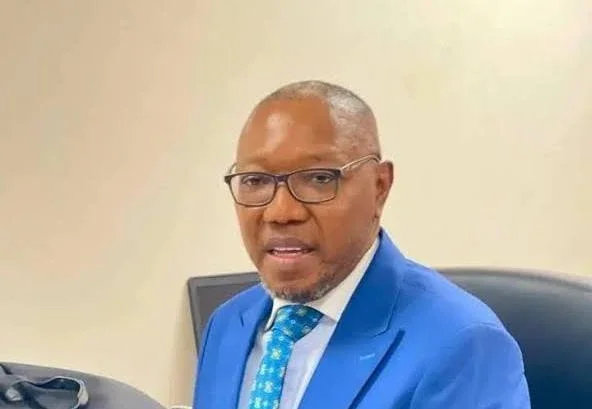
The Ministry of Education has acknowledged significant structural failures within the Ghana Education Service (GES) following an investigation into chronic sexual abuse at Obuasi Senior High Technical School (SHTS). Deputy Minister Dr. Clement Abas Apaak stated that the bureaucratic reporting system designed to protect students has effectively collapsed, as local administrators suppressed complaints of predatory behavior. This suppression allowed abuse to persist, with formal disciplinary actions only occurring after media exposure forced the ministry's intervention. To address these systemic gaps, the ministry has proposed a new direct reporting portal that will allow students and whistleblowers to bypass school-level management.
Calls for high-level accountability have intensified following revelations that the GES Director-General allegedly received a petition regarding the Obuasi SHTS situation on September 16, 2026, but failed to act until the sector minister intervened nearly a month later. Yaw Opoku Mensah, a spokesperson for Dr. Yaw Osei Adutwum’s campaign, has urged the dismissal of the Director-General, citing a lack of institutional integrity and responsible leadership. Critics argue that the delay in addressing the report, alongside potential complicity from the Obuasi East District Director, highlights a culture of silence that endangers students.
In response to the crisis, Africa Education Watch (Eduwatch) has recommended that sexual abuse reports be handled by external agencies to minimize human interference. Executive Director Kofi Asare encouraged students to use the Police Domestic Violence and Victims Support Unit (DOVVSU) or the Ministry of Gender’s toll-free Helpline of Hope (0800 800 800). Furthermore, Eduwatch called on the GES to protect "safe-space focal persons" in schools from punitive transfers, ensuring that those tasked with student safeguarding can operate without fear of administrative retaliation.
Broader data analysis suggests the issue is widespread among lower-tier institutions, with nearly 95% of senior high schools implicated in sexual abuse cases since 2015 being classified as Category B or C. While Category A schools are often perceived as safer by parents—leading to a massive demand of 4.1 candidates per available seat in the 2026 placement—transparency remains a concern across the board. The Ministry of Education is now considering a nationwide audit of child protection systems and has warned that officials who fail to act on future abuse allegations may face legal repercussions.
Related topic
Ghana Education Service (GES): Latest News Today →

