••
Ghana Gold Board sells $197m to banks to support cedi appreciation
•2 min read•3 sources
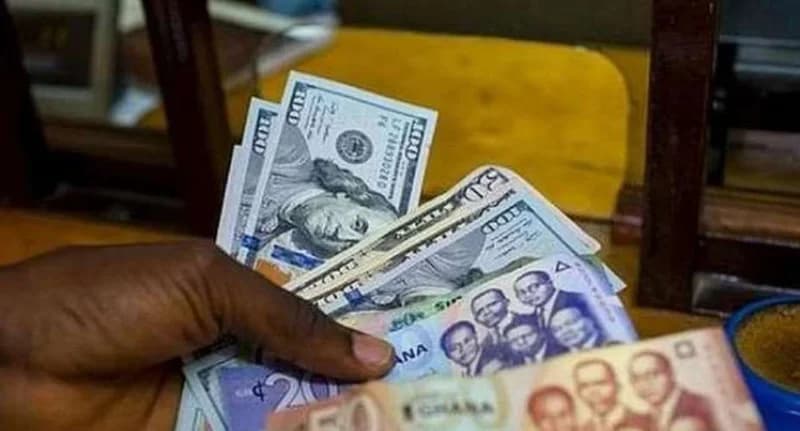
The Ghana cedi has recorded a marginal gain of nearly 1% against the US dollar for the second consecutive week, buoyed by a significant injection of foreign exchange liquidity. The Ghana Gold Board (GoldBod) sold US$197 million to commercial banks to help stabilize the currency following a period of persistent depreciation. This strategic move met the full demands of participating banks at a rate of GH₵11.70 per dollar, providing essential support to the interbank market.
On the interbank market, the cedi has been trading at approximately GH₵11.70 for buying and GH₵11.71 for selling. At retail forex bureaus, the currency was quoted at GH₵12.00 for purchases and GH₵12.30 for sales. Other major currencies also saw fluctuations, with the British pound trading at GH₵15.43 buying and GH₵16.33 selling at bureaus, while the Euro stood at GH₵13.10 buying and GH₵13.94 selling. Digital subscription payments via Visa and Mastercard were recorded at a rate of GH₵12.63.
Analysts attribute the recent recovery to the proactive intervention of GoldBod in providing fresh dollar supplies. Before this intervention, the cedi had faced consistent pressure from high demand for foreign currency to finance imports and energy sector payments. The availability of $197 million in the market has alleviated some of this strain, although market watchers note that the cedi's long-term stability will depend on continued liquidity support and the management of external payment obligations.
While the current appreciation is described as marginal, it represents a break from the trend of sustained pressure seen in preceding weeks. Money transfer services such as LemFi and Taptap Send continue to offer competitive rates for remittances, which remains a key source of foreign exchange for the economy. As the market monitors the impact of these liquidity injections, the focus remains on whether GoldBod and the central bank can maintain this momentum to prevent further volatility in the coming months.
Live rates
Ghana gold price →