••
Ghana Moves to Tackle Trade Barriers Under AfCFTA While Facing $1.7 Billion Gold Trading Loss Probe
•3 min read•2 sources
Ghana is navigating a complex economic landscape as the government moves to streamline continental trade while simultaneously facing intense pressure to investigate a staggering $1.7 billion loss within its gold sector. As the nation seeks to leverage the African Continental Free Trade Area (AfCFTA) to drive growth, a new demand for transparency at the Ghana Gold Board (GOLDBOD) has emerged following revelations from an International Monetary Fund (IMF) report concerning the Domestic Gold Purchase Programme (DGPP). These developments highlight the dual challenge of enhancing regional integration while maintaining domestic financial integrity.
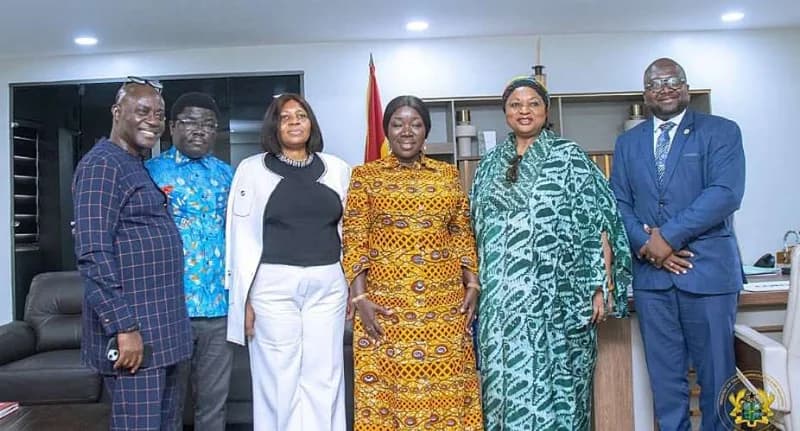
Minister for Trade Elizabeth Ofosu-Adjare has announced that Ghana is intensifying its efforts to dismantle non-tariff barriers (NTBs) that currently hinder businesses from expanding across African markets. Speaking during a meeting with African Union Commissioner H.E. Francisca Tatchoup Belobe, the Minister emphasized the urgent need for enhanced cooperation among African nations to harmonize standards and reduce trade obstacles. To ensure the country remains on track with its continental commitments, a new coordinator has been appointed to assess Ghana’s progress under the AfCFTA framework, identify implementation gaps, and improve overall trade efficiency. Commissioner Belobe commended Ghana's leadership in continental integration but noted that stronger political commitment is still required to translate high-level trade policies into tangible benefits for ordinary citizens.
While the government focuses on trade expansion, the Africa Policy Lens (APL) is calling for an immediate forensic investigation into GOLDBOD following a controversial IMF report. The report indicates that Ghana incurred losses exceeding US$1.7 billion in gold trading, with nearly all of these losses linked to gold doré purchases under the Domestic Gold Purchase Programme. The APL argues that a thorough probe is necessary to understand the scale of the financial mismanagement and to ensure accountability within one of the country's most critical economic sectors. These findings have sparked significant concern regarding the governance of the nation's precious mineral resources and the long-term sustainability of current gold trading practices.
The intersection of these trade and financial issues poses a significant test for the current administration under President John Mahama. While the successful reduction of non-tariff barriers could significantly boost Ghana's export potential and strengthen its position within the AfCFTA, the $1.7 billion gold loss threatens to overshadow these gains if not addressed with transparency. Moving forward, the government's ability to harmonize its trade standards with African partners while resolving domestic financial controversies will be crucial in maintaining investor confidence and securing the nation's economic future.
Related topic
John Mahama: Latest News & Updates →Live rates
Ghana gold price →

