••
Ghana Confronts Escalating Public Health Crisis as Landfill Failures and Toxic E-Waste Pollution Threaten Food Chain
•2 min read•3 sources
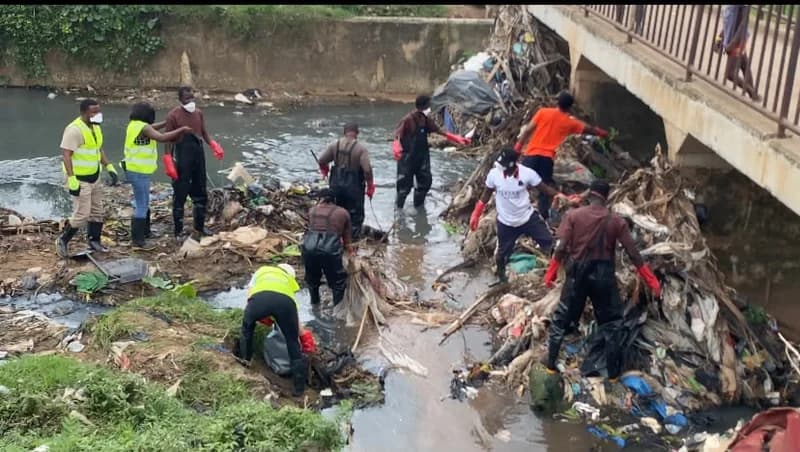
Ghana is currently grappling with a severe sanitation and environmental crisis that is draining the national economy and posing direct threats to public health. According to the World Bank, the country loses an estimated GH‵420 million annually due to poor sanitation, a figure that accounts for urban flooding, property damage, and the subsequent health burden. This economic drain is compounded by failing infrastructure and hazardous waste management practices that have reached a critical tipping point in both residential and industrial hubs, prompting urgent calls for systemic reform from advocacy groups and local communities alike.
A major component of this public health threat is the contamination of the food chain through informal electronic waste recycling. A recent study by the University of Ghana, supported by UNICEF, has raised alarms over toxic substances released at the Agbogbloshie e-waste site. Research indicates that heavy metals such as lead and mercury are infiltrating the environment and contaminating both human and livestock milk in surrounding areas. Health experts warn that children are particularly vulnerable to these pollutants, which can cause permanent neurological damage and developmental disorders if the informal burning of electronics is not replaced by safer, regulated recycling practices.
Simultaneously, the Greater Accra Region faces a looming public health emergency as the Kpone landfill site exceeds its capacity. Residents of Kpone and Tema Community 25 are demanding the immediate decommissioning of the facility, citing unbearable foul odors and severe air pollution. The crisis has reached a level where tricycle waste collectors, unable to offload refuse at the saturated landfill, have resorted to illegal dumping at unauthorized sites. This breakdown in the waste management chain not only exacerbates the risk of disease outbreaks but also highlights the failure of existing disposal solutions to keep pace with urban growth.
In response to these mounting challenges, the advocacy group Re|Root Collaborative is urging the government to shift from reactive disaster management to proactive infrastructure investment. During a recent community initiative along the Pelele River, stakeholders criticized the perceived misallocation of the Sanitation and Pollution Levy, arguing that funds are not being utilized effectively to address the waste crisis. Moving forward, experts emphasize that solving Ghana's sanitation challenges will require a combination of increased funding for regular waste collection, stricter environmental regulations on e-waste, and active community involvement to prevent a total collapse of public health standards.
This story touches markets covered on Anansi Intelligence ↗.
More from health
Continue exploring similar stories


