••
Funding Cuts to Force Discontinuation of Indoor Residual Spraying in 26 Districts by 2027
•2 min read•1 source
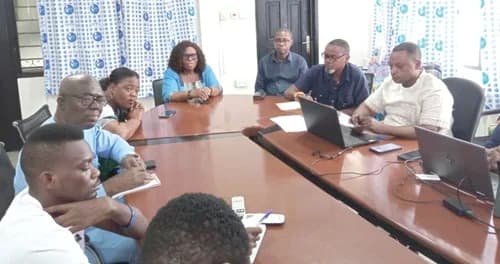
A total of 26 districts across Ghana are set to lose access to free Indoor Residual Spraying (IRS) services by 2027, a development driven by significant financial constraints and shifting donor priorities. These districts, which have long relied on IRS as a primary defense against malaria, were previously supported by international partners including USAID and the Global Fund. As this funding is phased out, the affected areas will be required to transition to the use of Insecticide-Treated Nets (ITNs) as their main strategy for malaria prevention.
Health experts and civil society advocates have expressed grave concerns regarding the potential for a resurgence in malaria cases following this transition. The effectiveness of the shift is further complicated by logistical bottlenecks; currently, a significant stock of ITNs remains held at Ghanaian ports awaiting clearance. Without the timely distribution of these nets, the withdrawal of IRS services could leave vulnerable populations, particularly children and pregnant women, exposed to higher risks of infection and mortality.
Cecilia Senoo, representing the non-governmental organization Hope for Future Generations, has called on civil society organizations (CSOs) to intensify their advocacy efforts to ensure malaria remains a top priority in national public health discussions. Speaking on the changing funding landscape, Senoo emphasized that CSOs must pivot from competition to collaboration to remain relevant and effective. She urged these organizations to work together to hold authorities accountable and to advocate for the necessary resources to protect at-risk communities as international support wanes.
The discontinuation of IRS in these 26 districts underscores a broader challenge facing Ghana's health sector: the need for sustainable domestic resource mobilization. As the country moves toward 2027, the focus must shift to ensuring that the transition to insecticide-treated nets is supported by robust supply chains and comprehensive public education. Addressing the port clearance delays and strengthening local health infrastructure will be critical to preventing a reversal of the gains made in the fight against malaria over the past decade.
This story touches markets covered on Anansi Intelligence ↗.
More from health
Continue exploring similar stories


