••
Ghana’s Green Blueprint: From Marine Conservation and Urban Farming to Global Shea Trade Leadership
•2 min read•7 sources
Ghana is spearheading a comprehensive suite of environmental and agricultural initiatives aimed at reconciling economic growth with ecological sustainability. Central to this strategy is the inauguration of the nation’s first Marine Protected Area (MPA) in the Greater Cape Three Points region, scheduled for April 2026. Spearheaded by Vice-President Naana Jane Opoku-Agyemang and the Ministry of Fisheries and Aquaculture Development, this 700-square-kilometer zone is designed to restore declining fish stocks and protect vital marine biodiversity. This move aligns with the United Nations' global '30x30' conservation target and will be complemented by alternative livelihood programs for local fishers to ensure that economic development in coastal communities remains inclusive and resilient against climate change.
This proactive environmental agenda comes at a critical time for the continent, as experts warn of a deepening ecological crisis. Ing. Professor Douglas Boateng has highlighted a stark contradiction in modern African development, noting that the continent suffers the highest net forest loss rate globally, with approximately 3.9 million hectares lost annually between 2010 and 2020. Addressing this challenge requires a shift in governance and mindset, moving away from extractive, short-term gains toward recognizing forests as essential infrastructure. In tandem with these conservation efforts, experts in Ghana are advocating for a transition to waste-to-energy (WtE) solutions in urban centers like Accra. This shift aims to alleviate the financial and environmental burden of overflowing landfills by converting municipal waste into stable electricity, a move supported by NADMO’s ongoing efforts to desilt waterways and demolish unauthorized structures to prevent seasonal flooding.
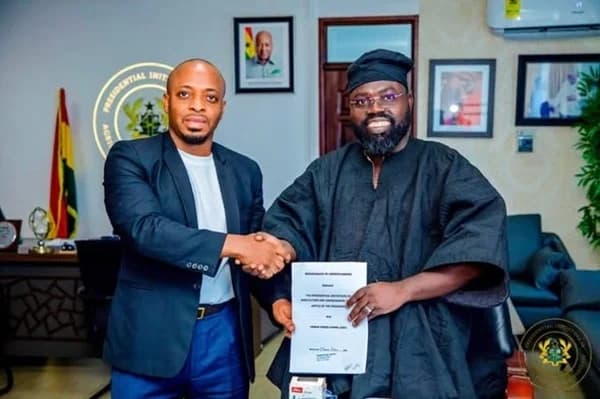
Complementing these conservation and waste management efforts are strategic investments in the agricultural sector designed to boost food security and export value. The Presidency recently signed a Memorandum of Understanding with Urban Green Limited to promote home gardening and modern urban agricultural techniques, aiming to strengthen national food systems. On a larger scale, the 2026 World Shea Expo in Tamale is set to transform the shea industry from a local commodity into a global brand. Under the theme of accelerating women and youth-led value addition, the expo aims to move Ghana away from raw exports toward a competitive, value-added sector. By integrating marine protection, reforestation, and agribusiness innovation, Ghana is positioning itself as a leader in sustainable development, ensuring that its natural resources are preserved for future generations while driving current economic prosperity.
