••
Ghana’s Education Sector: Celebrating Historic Milestones and Philanthropy Amid Calls for Systemic Reform
•3 min read•9 sources
Ghana’s educational landscape is currently defined by a stark contrast between celebrated historical legacies and urgent calls for systemic reform. A major highlight in the sector is the official launch of Mfantsipim School’s 150th anniversary by Vice-President Professor Naana Jane Opoku-Agyemang. Established in 1876, the institution has been pivotal in shaping Ghana’s human capital, producing global leaders like Kofi Annan. The anniversary, themed "150 years of shaping Ghana’s greatest minds," serves as a call for continued investment in quality education and ethical leadership. However, this celebration of excellence is tempered by a growing crisis of hooliganism and violence in senior high schools. A study by the UNDP reveals that over half of Ghanaian students experience physical or emotional bullying, a situation exacerbated by overcrowded dormitories and a lack of comprehensive anti-bullying frameworks. Experts are now calling for a mandatory national framework on school safety to align with UNESCO’s recommendations for peaceful educational environments.
In tandem with safety concerns, transparency in governance has become a focal point for education advocates. Kofi Asare, Executive Director of Africa Education Watch (Eduwatch), has urged the Ghana Education Service (GES) to publicly disclose district-level recruitment quotas for its latest teacher hiring cycle. The call aims to ensure a fair distribution of educators, particularly in underserved and deprived areas that frequently suffer from chronic staff shortages. While the GES has announced vacancies for Bachelor of Education graduates, concerns regarding the technical stability of the online application system and the fulfillment of government-promised incentives for rural teachers remain at the forefront of the national dialogue on educational equity.
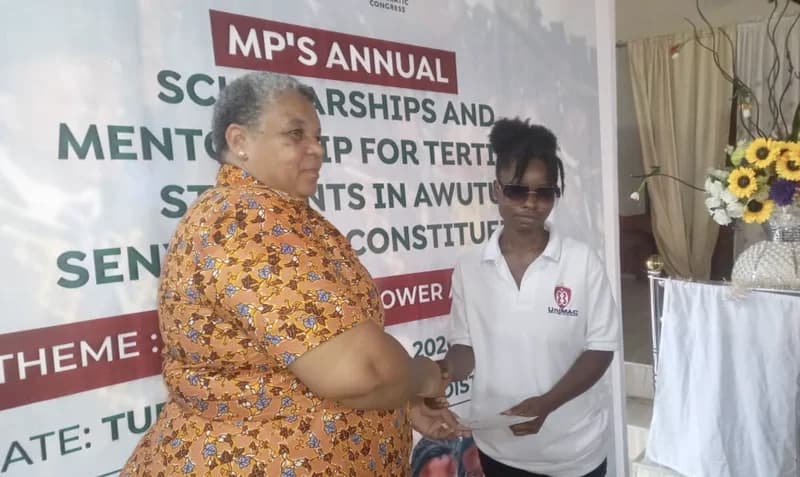
While the state grapples with policy and safety, private philanthropy and alumni networks are stepping in to bridge critical infrastructure gaps. In Nsawam Adoagyiri, E&H Quarry has provided Akraman Basic School with a modern canteen and bookshop, replacing a hazardous shed previously used by students. Similarly, alumni of Mamprobi Methodist Basic School recently commissioned a GH¢220,000 sanitary facility to improve hygiene for over 400 students and teachers. These community-led efforts are complemented by political initiatives, such as the GH¢150,000 scholarship package awarded by Awutu-Senya West MP Gizella Tetteh-Agbotui to 100 tertiary students. These interventions underscore the vital role of corporate social responsibility and local leadership in mitigating poverty through educational support.
Looking toward the future, new digital and international pathways are emerging to equip Ghanaian youth for a globalized economy. Nexford University has launched the $5 million NextGen Africa Workforce Fellowship, offering affordable, AI-focused online degrees and mentorship to combat high youth unemployment. This drive for global competitiveness is exemplified by individual success stories like that of Mivheal Teye Tetteh, a Ghanaian student at Florida International University who maintained a 4.0 GPA while researching support systems for international students. As Ghana moves toward Mfantsipim’s grand sesquicentennial durbar in 2026, the convergence of tradition, digital innovation, and community support will be essential in overcoming the systemic challenges of violence and resource inequity.
Related topic
Ghana Education Service (GES): Latest News Today →