••
Ghana and Nigeria Urge African Union Action as 160,000 Flee Xenophobic Attacks in South Africa
•2 min read•4 sources
Ghana and Nigeria have officially called on the African Union (AU) to address escalating "Afrophobic protests" in South Africa, as a wave of xenophobic violence triggers a massive regional migration crisis. Recent reports indicate that more than 160,000 foreign nationals have fled South Africa in the last two months, following a surge in targeted attacks against undocumented migrants. The Nigerian Ministry of Foreign Affairs confirmed that both West African nations are seeking to place the issue on the agenda of the upcoming AU summit to ensure the safety of their citizens and other African nationals.
The violence has reached a fever pitch in areas like Jeffreys Bay, where police and armored vehicles were deployed to quell looting and gunfire. Protesters, citing grievances over job competition, have targeted foreign-owned businesses, resulting in the looting of at least 23 stores and leaving several people wounded. While official reports confirm four fatalities among migrants, some government sources suggest the actual death toll may be higher. The unrest has forced thousands of people from Zimbabwe, Malawi, Nigeria, and Ghana to seek repatriation to their home countries in what marks the first major coordinated response by multiple African governments to South Africa's long history of xenophobia.
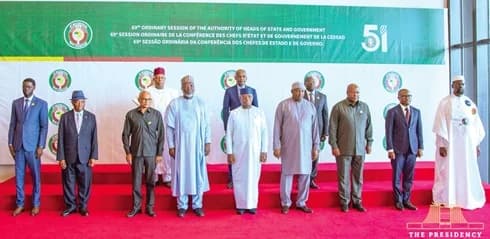
Addressing the crisis at the 69th Ordinary Session of the ECOWAS Authority of Heads of State and Government in Sierra Leone, President John Dramani Mahama voiced deep concern over the killings of Ghanaians and Nigerians. He urged the regional body to prioritize the implementation of existing peace and security protocols rather than introducing new treaties. Mahama emphasized that solidarity across borders and continued dialogue are essential to maintaining regional unity in the face of these security and economic challenges.
Despite the mounting evidence of violence and the mass exodus of foreign nationals, the South African government has largely rejected allegations of systemic violence against foreigners. This disconnect between Pretoria's official stance and the reality on the ground has fueled community tensions and suspicion in small towns across the country. As Ghana and Nigeria push for continental intervention, the upcoming AU summit will serve as a critical platform to determine whether regional leaders can effectively implement the ECOWAS Compact and other treaties intended to foster a unified, peaceful Africa.


