••
National Petroleum Authority Increases Petroleum Price Floors Effective July 16 Amid Rising Global Crude Costs
•3 min read•3 sources
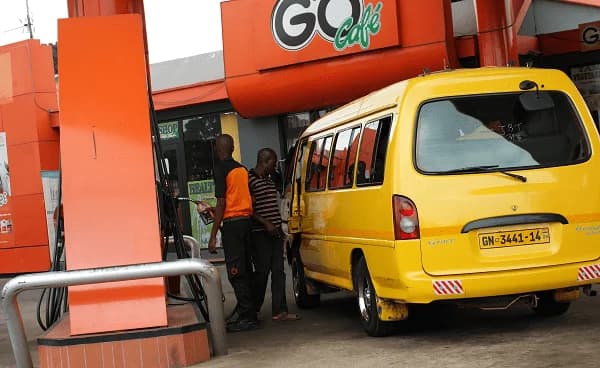
The National Petroleum Authority (NPA) has announced a significant upward revision of the indicative price floors for petroleum products, effective July 16, 2026. This adjustment for the second pricing window of the month marks the second increase in July, reflecting a sharp reversal from earlier price reductions. Under the new directive, the floor price for petrol has been raised to GH₵ 13.28 per litre, up from GH₵ 12.79, while diesel sees a 6% jump to GH₵ 14.35 per litre from GH₵ 13.54. Additionally, Liquefied Petroleum Gas (LPG) has been pegged at a floor of GH₵ 10.19 per kilogram, representing a marginal increase from its previous level of GH₵ 10.11.
The NPA’s decision is largely driven by renewed volatility in the international energy market, where benchmark crude prices have surged past US$80 per barrel. This market turbulence is primarily attributed to escalating geopolitical tensions in the Middle East, particularly renewed hostilities involving Iran. Because Ghana remains heavily dependent on imported refined petroleum products, local pricing remains acutely sensitive to these global shifts. While there was a temporary lull in conflict earlier in the month that led to a brief dip in international prices, the recent resurgence of violence has forced the regulator to adjust floors upward to ensure market stability and prevent price distortions.
Since the introduction of the price floor policy in April 2024, Oil Marketing Companies (OMCs) and LPG Marketing Companies (LPGMCs) have been legally prohibited from selling products below the government-mandated thresholds. The NPA maintains that this framework is essential for promoting transparency and fairness within the fuel market. However, the move has met with criticism from industry stakeholders and consumer advocates. The Chamber of Petroleum Consumers (COPEC) had previously projected a decrease in fuel prices based on a stable Ghana cedi, leading some to argue that the mandatory floors prevent consumers from fully benefiting from potential market-driven price drops.
Beyond the immediate pump prices, the revision is expected to exert significant pressure on the broader Ghanaian economy. Commercial transport operators and manufacturers are likely to face increased operational costs, which historically translates into higher food prices and transit fares. In response, industry groups are intensifying calls for the government to implement a structured, automatic price relief mechanism to shield consumers from sudden fluctuations. As the second half of July progresses, the focus remains on whether international tensions will subside enough to allow for future relief, or if the current inflationary trend will persist across the energy sector.
Live rates
Dollar to cedi rate →