••
Ghana Health Service to Launch Nationwide Mass Drug Administration Against Neglected Tropical Diseases; Health Director Calls for Enhanced School Hygiene
•2 min read•2 sources
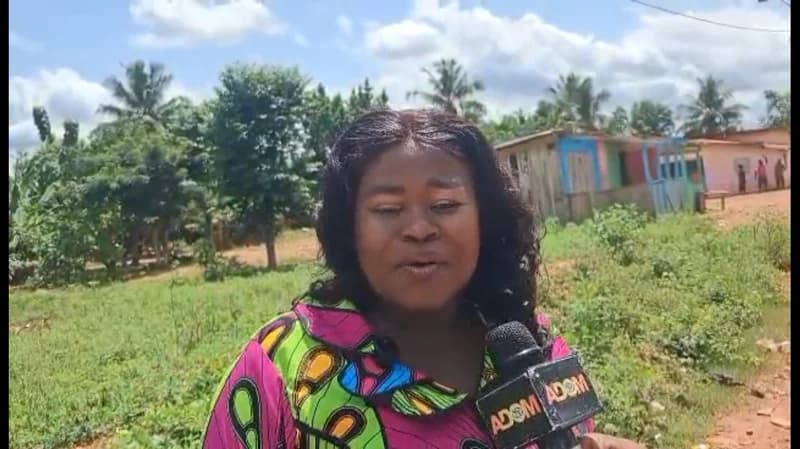
The Ghana Health Service (GHS) is set to embark on a significant nationwide mass drug administration (MDA) initiative from June 20 to July 3, aimed at combating three major Neglected Tropical Diseases (NTDs): elephantiasis, river blindness, and bilharzia. This intervention targets 15 endemic regions across the country, reflecting a concerted effort to interrupt the transmission of these debilitating conditions. Approximately 6.7 million people are expected to benefit from the free distribution of medications, though certain groups, including pregnant women, nursing mothers, and children under the age of five, are excluded from the exercise. Despite significant progress in recent years, Ghana remains endemic to 14 different types of NTDs, leaving millions of citizens at risk. Health officials emphasize that the upcoming MDA is a critical tool for public health, relying on high community participation to be effective. The GHS has specifically highlighted that over one million people in bilharzia-endemic districts will be prioritized, alongside targeted efforts in areas prone to river blindness and elephantiasis. Officials are urging local leaders and residents to support the campaign, noting that sustained government investment and public awareness are essential to eradicating these diseases once and for all. Complementing these national medical interventions, regional health leaders are highlighting the fundamental role of sanitation and hygiene in preventing infectious diseases. Celestine Asante, the Municipal Health Director for Kwahu West, has recently called on the Ghana Education Service and school authorities to intensify efforts to promote effective handwashing with soap among basic school pupils. Speaking during the International Day of the African Child, Asante stressed that rural schools, in particular, require better access to potable water and essential supplies such as Veronica buckets to maintain a healthy learning environment. The push for better hygiene is increasingly challenged by environmental factors, including the pollution of water bodies due to illegal mining activities, commonly known as galamsey. Director Asante expressed deep concern over how these activities compromise water quality, making it harder for schools and communities to practice proper hand hygiene. To address these multifaceted health challenges, stakeholders are calling for a more coordinated approach involving government agencies, educators, and local communities. By combining large-scale medical interventions like the MDA with grassroots improvements in sanitation and environmental protection, Ghana aims to create a more resilient public health infrastructure.
This story touches markets covered on Anansi Intelligence ↗.
Related topic
Ghana Education Service (GES): Latest News Today →More from health
Continue exploring similar stories


