••
Ghana Statistical Service records 40% average room occupancy
•2 min read•2 sources
The Ghana Statistical Service (GSS) has revealed that the country’s accommodation sector operated at an average national room occupancy rate of only 40% between March and June 2025. Based on a survey of 1,085 accommodation sites across all 16 regions, the report highlights a significant gap between the available capacity of approximately five million room-nights monthly and the actual demand. The findings underscore a decline in demand over the four-month period, as occupied room-nights dropped from 2.14 million in March to 1.99 million in June, representing a 7% overall decrease.
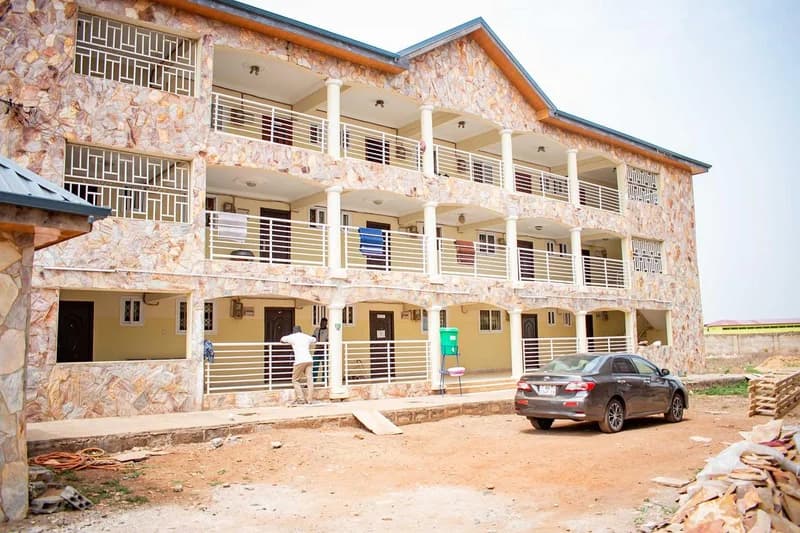
The data showed a stark contrast in performance between different types of accommodation and geographical areas. Hostels significantly outperformed hotels, maintaining high occupancy rates between 92.9% and 96.1%. In contrast, hotels lagged behind with occupancy figures ranging between 32.4% and 34.9%. Geographically, the Central Region emerged as the top performer with a 56.8% occupancy rate, while the Eastern Region and other areas saw rates fall below 25%. This regional disparity suggests that tourism and business travel remain concentrated in specific hubs, leaving other parts of the country with substantial underutilized capacity.
In terms of financial performance, the revenue per available room (RevPAR) saw fluctuations throughout the period. It started at GH‵425 in March, peaked at GH‵464 in April, and settled at GH‵458 by June. The GSS also noted that the sector is heavily reliant on domestic tourism, as the number of local guests far exceeded that of international visitors. However, the report observed that while foreign guests are fewer in number, they tend to stay for longer durations compared to their domestic counterparts, offering a different value proposition to the hospitality market.
Following these findings, the GSS has advised accommodation operators and potential investors to carefully evaluate local demand and regional market conditions before pursuing expansion. The Service emphasized the need for targeted planning and strategic tourism development to improve the utilization of existing facilities. By aligning business strategies with the specific needs of domestic travelers and addressing the low occupancy in underperforming regions, the industry may be better positioned to recover and grow. Accurate data from the GSS and the Ghana Tourism Authority (GTA) will remain critical for stakeholders navigating these market dynamics.