••
Ghana Confronts Escalating Environmental Crisis as Shea Tree Loss and Illegal Mining Threaten Vital Ecosystems
•3 min read•7 sources
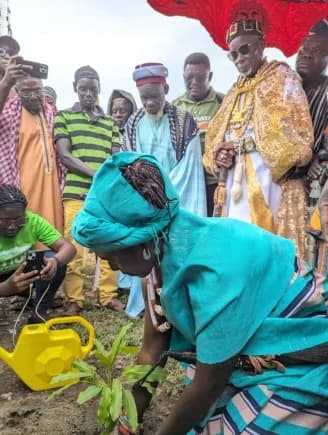
Ghana is facing a critical environmental turning point as stakeholders raise alarms over the annual loss of eight million shea trees across West Africa and the escalating damage caused by illegal mining, commonly known as galamsey. During the 2026 Shea Day celebrations in Buipe, the Global Shea Alliance (GSA) and the Forestry Commission warned that population growth, agricultural expansion, and climate change are rapidly decimating the shea parklands. Simultaneously, the country’s newly established Marine Protected Area (MPA) is under immediate threat from upstream river pollution, highlighting a nationwide struggle to balance economic activity with ecological preservation.
The Shea Day event, co-hosted by the Ambassador to the SheaPark Resource Hub Project, Pognaa Salma Chaana Abdul-Razak, and Buipewura Jinapor II, underscored the economic lifeline that shea production provides to thousands of households, particularly for women in northern Ghana. Speaker of Parliament Alban Bagbin and other officials emphasized that the shea industry is not merely an agricultural sector but a cultural and economic cornerstone. In response to the crisis, the SheaPark Resource Hub Project announced the planting of over 30,000 shea seedlings in the Upper West Region, part of a broader ‘Action for Shea Parklands’ initiative aimed at restoring degraded landscapes and promoting sustainable harvesting practices.
While the north battles the disappearance of its trees, southern and central regions continue to grapple with the persistent scourge of illegal mining. In the Ashanti Region, National Security operatives recently arrested two individuals, including site owner Yussif Ibrahim, for conducting illegal mining operations near an Agenda 111 hospital project in Adansi Asokwa. The Ashanti Regional Security Council has intensified land reclamation efforts, yet the tenacity of miners remains a significant hurdle. In Konongo, the Traditional Council has taken the extraordinary step of performing traditional rites at mining sites, invoking ancestral authority to drive away illegal operators and protect local water bodies from further degradation.
The environmental consequences of these activities extend far beyond the immediate mining sites, reaching the Atlantic coast. Ghana’s 700-square-kilometer Marine Protected Area, designed to replenish fish stocks and conserve biodiversity, is currently being compromised by heavy metal pollution from the Butre and Nyan Rivers. Experts warn that without integrated management of both river and marine ecosystems, the MPA’s success is in jeopardy. As the judiciary and traditional leaders take firmer stances—highlighted by the recent 20-year sentence handed to Chairman Wontumi in a high-profile galamsey case—Ghanaian officials and environmentalists are calling for a unified national commitment to safeguard the country’s natural heritage for future generations.