••
Ghana and Sierra Leone Strengthen Public Health Frameworks Through Nutrition Advocacy and Digital Surveillance
•2 min read•2 sources
West African nations are taking significant steps to bolster public health, with Ghana and Sierra Leone launching initiatives to address malnutrition and enhance disease surveillance. In Ghana, a strategic partnership between the government and international non-governmental organizations (NGOs) is tackling the critical issue of child malnutrition, while Sierra Leone has introduced a mandatory digital health declaration system for all international travelers. These moves reflect a growing regional commitment to both long-term human development and immediate pandemic preparedness.
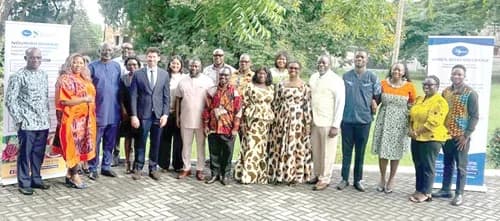
The malnutrition crisis in Ghana remains a pressing concern, where 10% of children are severely stunted and nearly 10% are wasted. Recent deliberations between the Eleanor Crook Foundation, the WOMEC network, and Ghanaian parliamentarians have underscored the need for integrated strategies to protect women and children. Dr. Sebastian N. Sandaare, a prominent health advocate, emphasized that nutrition is a pillar of national development, directly impacting education and economic growth. William Moore of the Eleanor Crook Foundation identified malnutrition as a primary driver of child mortality, calling for the deployment of Ready-to-Use Therapeutic Foods as a vital intervention to save lives.
Concurrently, Sierra Leone is modernizing its border health protocols to prevent the cross-border spread of infectious diseases. As of June 18, 2023, the government has mandated that all travelers—including visitors, residents, and citizens—complete an online Health Declaration Form via a dedicated travel portal within 72 hours of their journey. The system generates a QR code that must be presented to authorities upon arrival or departure. This digital shift aims to streamline health screenings and ensure that accurate travel data is available for real-time disease surveillance and response, with designated personnel on-site to assist those navigating the new requirements.
These developments in Ghana and Sierra Leone highlight a multi-pronged approach to public health in West Africa. By addressing the "silent emergency" of malnutrition and the logistical challenges of disease monitoring, both nations are working toward more resilient health systems. The success of these initiatives will depend on continued international collaboration, the availability of therapeutic resources, and the consistent application of digital tools to safeguard the well-being of the population and travelers alike.
This story touches markets covered on Anansi Intelligence ↗.
More from health
Continue exploring similar stories


