••
Ghanaians Grapple with Paternal Neglect and Skyrocketing Rents as Community Initiatives Step in to Support Single Mothers
•3 min read•4 sources
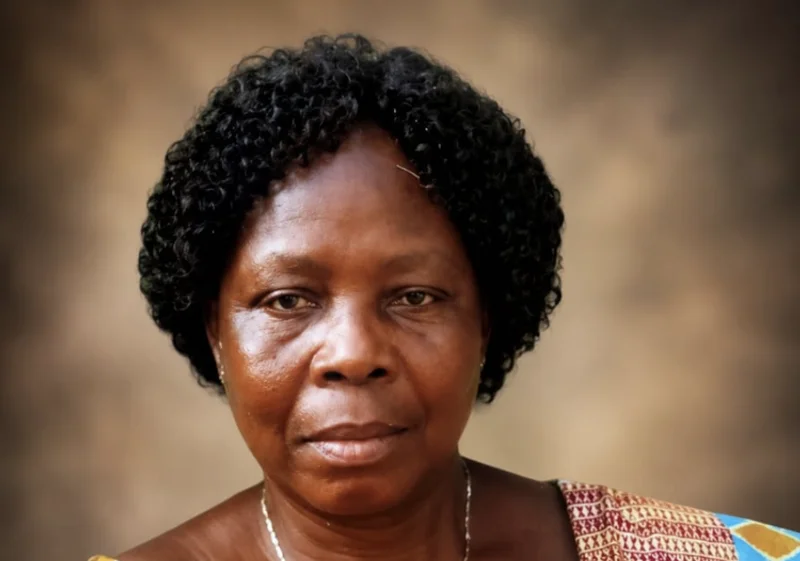
Ghana is currently facing a complex intersection of social and economic challenges that are reshaping the traditional family unit and placing immense pressure on single mothers. An estimated 3.6 million children in the country now live exclusively with their mothers, a situation driven by rising rates of father neglect, teenage pregnancy, and divorce. While fatherhood is traditionally viewed as a sacred duty in Ghanaian culture, economic hardships and urbanization have led to a significant disengagement of many fathers from their legal and moral responsibilities. This trend persists despite the protections outlined in the 1992 Constitution and the Children’s Act, highlighting a critical gap between legal frameworks and practical enforcement in safeguarding child welfare.
Compounding these domestic struggles is a worsening housing crisis characterized by exorbitant rent costs and exploitative practices by estate agents. Many Ghanaians report increasing frustration with agents who demand viewing fees and landlords who bypass transparent pricing, making it nearly impossible for low-income families to secure stable housing. This economic strain is particularly acute for the millions of mothers already performing dual roles as sole emotional and financial providers. For these women, the lack of affordable housing is not merely a logistical hurdle but a direct threat to their family's stability and dignity.
In response to these hardships, grassroots initiatives like Smile4mation’s Single Mothers Project have begun to provide a vital lifeline. By offering startup capital for small businesses, housing support, and mentorship, the project aims to restore hope to women facing extreme poverty, including those surviving on plastic waste collection or managing large households alone. This move toward community-driven support is seen as essential for long-term stability, encouraging the public to nominate those in need and fostering a culture of collective responsibility that transcends the failures of individual parental duty or market regulation.
As the nation navigates these systemic shifts, local communities continue to honor the life cycles of their members, marking both the struggles and the end of long lives. In Amedzofe and Dodowa, the community is preparing to bid farewell to Mary Akosua Takpo, who passed away at the age of 80. Her funeral rites, scheduled for early July at the New Apostolic Church in Dodowa, serve as a reminder of the enduring importance of community and family bonds amidst the broader socio-economic transitions currently defining the Ghanaian experience. Together, these developments underscore a pressing need for both legal reforms and community solidarity to protect the most vulnerable segments of society.