••
Ghana Strengthens Environmental Resilience Through Phased Styrofoam Ban and Landmark Marine Protected Area
•2 min read•2 sources
Ghana is embarking on a comprehensive environmental agenda to safeguard its ecosystems and public health, marked by the announcement of a phased ban on single-use plastics and the designation of the nation's first Marine Protected Area (MPA). These initiatives, led by the Environmental Protection Authority (EPA) and various maritime stakeholders, represent a dual-front approach to tackling the country's waste management crisis and the depletion of its coastal resources. The measures signal a significant shift in national policy toward sustainable development and environmental conservation.
The Environmental Protection Authority (EPA), under the leadership of CEO Prof. Nana Ama Browne Klutse, has confirmed that a total ban on expanded polystyrene (Styrofoam) food containers will take effect on January 1, 2027. This policy, described as a presidential directive, is the first phase of a broader crackdown on non-biodegradable plastics. Prof. Klutse emphasized that the decision is rooted in scientific evidence regarding public health risks and the severe impact of Styrofoam on the environment, particularly its role in clogging drainage systems and threatening marine life. The EPA has assured the public that the move is not influenced by private interests and that eco-friendly packaging alternatives are already being adopted by local vendors.
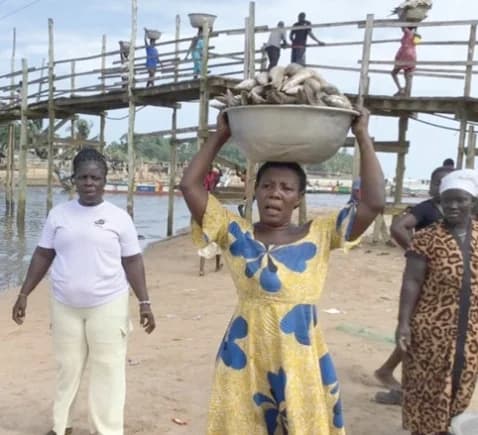
In tandem with the plastics crackdown, the government has established a 703.86-square-kilometer Marine Protected Area centered around Cape Three Points. This initiative, spanning 21 coastal communities, aims to restore dwindling fish stocks and protect fragile marine ecosystems from over-exploitation. However, the designation has met with apprehension from local residents. Fishermen and fish processors in the Western Region have expressed anxiety over potential restrictions on their traditional fishing grounds, fearing that increased state control could jeopardize their livelihoods. Community members are calling for clear communication, livelihood support, and infrastructure improvements to ensure the MPA benefits both the environment and the people who depend on it.
These dual initiatives align Ghana with a growing continental movement to address environmental degradation and climate vulnerability. By tackling both the source of land-based pollution and the management of ocean resources, the government seeks to create a more sustainable future for its citizens. The period leading up to 2027 will be critical as the EPA monitors the transition away from Styrofoam and maritime authorities work to balance conservation goals with the socio-economic needs of coastal populations. The success of these policies will ultimately hinge on effective enforcement and the inclusion of local communities in the implementation process.