••
Ghana’s Creative Landscape Evolves Amidst TGMA Critiques, Tech Transitions, and Global Sports Partnerships
•3 min read•7 sources
The Ghanaian entertainment industry is navigating a period of significant growth and critical self-reflection, highlighted by the recent Telecel Ghana Music Awards (TGMA). While the event remains a cornerstone of the industry, it has faced public backlash regarding its logistical execution. Renowned director Socrate Safo criticized event organizers, Charterhouse, for a three-hour delay, noting that the show, advertised for 7:00 PM, did not commence until 10:00 PM. Safo described the delay as a sign of disrespect toward the audience and urged organizers to prioritize punctuality, regardless of attendance figures. Simultaneously, prominent actress and fashionista Nana Akua Addo defended the event’s attendees against criticism of their red-carpet choices. She advocated for fashion freedom and diversity, arguing that the TGMA should be a platform for self-expression rather than a venue for rigid judgment against set themes.
Beyond the glitz of award ceremonies, industry leaders are diversifying their portfolios to ensure long-term sustainability. Richie Mensah, the founder of Lynx Entertainment, has detailed a strategic transition from music production to audio electronics. Celebrating a career shift at age 40, Mensah’s new venture, Lynx Electronics, focuses on developing high-end audio hardware like the Lynx Reverb headphones and upcoming Octave speakers. This evolution marks a broader trend where creative enterprises are moving toward distribution and sound technology to support the next generation of African talent, moving beyond traditional artist management models.
Cultural and educational institutions are also playing a pivotal role in expanding the reach of the creative arts. Koforidua Technical University (KTU), in partnership with the Spanish High Commission, recently launched the 'Seamstresses 2.0' project. This initiative blends Ghanaian and Spanish textile traditions, allowing students to design flamenco-inspired garments for an international exhibition. This push for cultural exchange aligns with the sentiments of playwright Kuta Body Alone, who recently called for a revitalized theatre industry. He emphasized that while the inclusion of Creative Arts in school curricula is a positive step, the onus remains on artists and corporate sponsors to create visibility and invest in the infrastructure needed to turn potential into economic success.
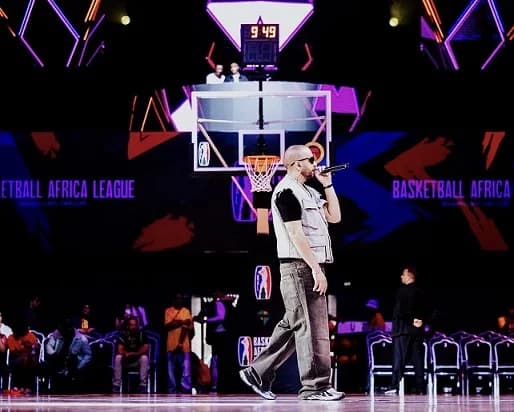
On the international stage, Ghanaian-owned agencies are demonstrating the country’s capacity to manage global-scale entertainment. Crux Global Agency has emerged as a key partner for the Basketball Africa League (BAL), handling entertainment and arena production across various African nations, including South Africa, Morocco, and upcoming finals in Rwanda. By curating dynamic experiences that intertwine sports with African music and culture, the agency is effectively elevating local talent to global visibility. Together, these developments—ranging from infrastructure debates and tech innovations to international partnerships—reflect a multifaceted entertainment sector that is maturing despite its operational challenges.
