••
Ghana to Sign Strategic Health Worker Deployment Agreements with United States and United Kingdom
•2 min read•1 source
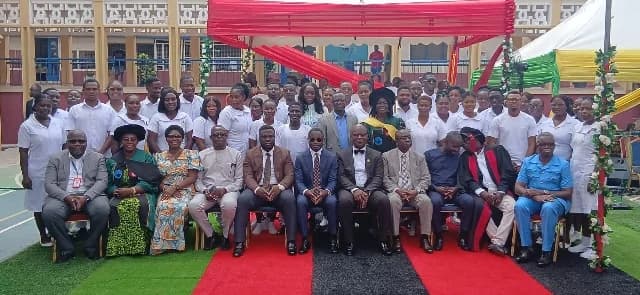
The Government of Ghana is preparing to finalize Memoranda of Understanding (MoUs) with the United States and the United Kingdom to facilitate the structured deployment of Ghanaian health professionals to these countries. This move, which follows a similar existing agreement with Jamaica, is designed to create a regulated framework for healthcare labor migration. The announcement was made during the matriculation of 145 nursing students specializing in critical fields such as cardiology and oncology. This cohort represents a key component of the "Mahama Care" initiative, which focuses on elevating the clinical expertise of the nation's nursing workforce to meet both domestic and international standards.
A central pillar of this strategy is the ambitious goal of enrolling 1,000 nurses annually into specialized training programs. By focusing on advanced medical disciplines, the government aims to ensure that Ghanaian professionals are highly competitive on the global stage while simultaneously improving the quality of care within local facilities. To support the sustainability of this educational drive, the ministry has secured scholarships for health tutors to pursue PhDs, ensuring that the next generation of healthcare workers is trained by highly qualified academic staff. This systemic approach is intended to mitigate the risks of unmanaged brain drain by turning migration into a structured professional development pathway.
While the expansion of international opportunities is a major focus, officials also stressed the vital importance of the human element in healthcare delivery. Despite the rapid advancement of medical technology, the government has called for a renewed emphasis on empathy and the continuous improvement of clinical skills among graduating students. Leaders noted that as Ghanaian nurses move into diverse international environments, their ability to provide compassionate care will remain their most significant asset. However, to fully realize these objectives, there remains an urgent need for increased infrastructure support for nursing training institutions to accommodate the rising number of specialized trainees.
Moving forward, these MoUs are expected to provide a blueprint for how developing nations can manage health worker migration effectively. By balancing the desire for international professional experience with the needs of the local health sector, Ghana seeks to create a mutually beneficial arrangement with its Western partners. The success of this initiative will ultimately depend on the consistent funding of specialized training and the ability of the government to maintain a steady pipeline of professionals who can serve both the Ghanaian public and the global healthcare market.
This story touches markets covered on Anansi Intelligence ↗.
More from health
Continue exploring similar stories


