••
Ghana Education Crisis: UNICEF Reports Funding Disparities While Public Outcry Mounts Over Teacher-Student Misconduct
•3 min read•2 sources
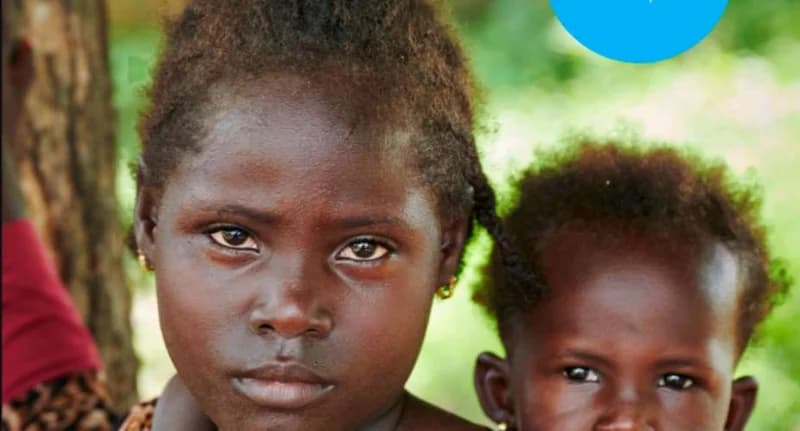
Ghana's educational landscape is currently grappling with two significant challenges that threaten the welfare and future of its youth: a critical under-investment in early childhood development and an urgent need for legal reform regarding teacher-student relationships. While a recent UNICEF report highlights a stark disparity in public spending for the nation’s youngest citizens, recent cases of sexual exploitation in Senior High Schools have ignited a national debate on the safety and protection of students within the classroom. Together, these issues underscore a growing call for systemic reform to ensure that Ghanaian children are both financially supported and physically safe throughout their academic journeys. According to a report by UNICEF Ghana, public investment in early childhood development targeting children aged zero to five remains alarmingly low, accounting for only 13 percent of total spending on children. This funding gap persists despite the fact that this age group represents one-third of the child population and faces a staggering 80 percent multidimensional poverty rate. The report further reveals deep-seated inequities, noting that children from wealthier households receive nearly double the public funding per capita compared to those from poorer families. Experts argue that prioritizing investment under the newly approved Early Childhood Care and Development Policy is essential for breaking the cycle of poverty and improving long-term educational outcomes. Simultaneously, the Ghana Education Service is facing pressure to adopt a zero-tolerance approach toward sexual exploitation following a disturbing incident at Bole Senior High School. The interdiction of a teacher involved in an alleged predatory relationship has sparked public outrage and led to calls for the criminalization of sexual interactions between educators and students. Advocates argue that the current disciplinary measures are insufficient given the inherent power imbalances between teachers and learners. They contend that such behavior should be treated as a criminal offense rather than a mere administrative breach, emphasizing the need for robust reporting mechanisms and a societal shift toward protecting the dignity and safety of students. Addressing these dual crises requires a coordinated response from both the government and civil society. On one hand, there is an urgent need to align public spending with the needs of the most vulnerable infants and toddlers to ensure a strong foundational start. On the other, the legal framework must be strengthened to deter predatory behavior in schools and restore public trust in educational institutions. As Ghana moves forward, the synthesis of increased financial commitment to early education and rigorous legal protection for students will be pivotal in creating a secure and equitable environment for the next generation.
Related topic
Ghana Education Service (GES): Latest News Today →

