••
Ghana Intensifies Environmental Stewardship through New Waste Worker Union, Accra Dredging, and Forest Protection Initiatives
•3 min read•5 sources
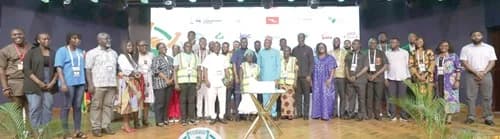
Ghana has launched a series of multi-sectoral initiatives aimed at bolstering environmental sustainability, ranging from the formalization of the informal waste sector to aggressive flood mitigation and forest conservation. In a landmark move, the Ministry of Local Government and the Green Africa Youth Organisation (GAYO) have inaugurated the Federation of Informal Sector Waste Workers Associations of Ghana (FISWWAG). This first-of-its-kind union, themed "From Informality to Inclusion," represents the culmination of five years of organizing by GAYO. It provides a unified platform for informal waste pickers across all 16 regions to engage with government and industry leaders for better working conditions, social protection, and active participation in the nation’s circular economy policy decisions.
Complementing these organizational efforts, regulatory and military interventions are being deployed to address urban sanitation and infrastructure challenges. Professor Nana Ama Browne Klutse, CEO of the Environmental Protection Authority (EPA), recently led an awareness campaign at the Kumasi City Market (Kejetia) to prepare traders for a planned 2027 ban on Styrofoam products. Meanwhile, in the Greater Accra Region, the Ghana Armed Forces' 15 Engineer Brigade has intensified dredging and lagoon restoration operations. Brigadier General Richard Kinney reported that the military is working around-the-clock with the Jospong Group and Zoomlion Ghana Limited to clear waste from critical water bodies like the Lafa Basin and Tessa Dam, aiming to mitigate chronic flooding caused by illegal dumping and urban encroachment.
In the rural sector, environmental protection efforts have received a significant boost through private-sector support for forest conservation. Proforest has donated 22 motorbikes to the Ahafo Regional Forestry Commission to enhance surveillance in the Asunafo-Asutifi landscape. This contribution, supported by partners including Mondelēz International and Barry Callebaut, is part of a broader project to rehabilitate 450 hectares of degraded forest under the Ghana Cocoa Forest REDD+ Programme. The motorbikes will allow field officers to access remote areas more efficiently, providing a faster response to illegal logging and ensuring consistent monitoring of restoration sites.
These combined efforts reflect a comprehensive strategy to strengthen Ghana's environmental resilience by involving diverse stakeholders—from grassroots waste pickers and market traders to the military and international conservation partners. As the government enforces stricter environmental regulations and expands infrastructure projects, the success of these initiatives will depend on sustained collaboration between state agencies and the private sector. Moving forward, the integration of informal workers into the formal economy and the continued restoration of vital ecological zones remain central to the nation's climate adaptation and sanitation goals.
