••
Ghana Water Limited finds 62% of commercial meters missing from database
•2 min read•3 sources
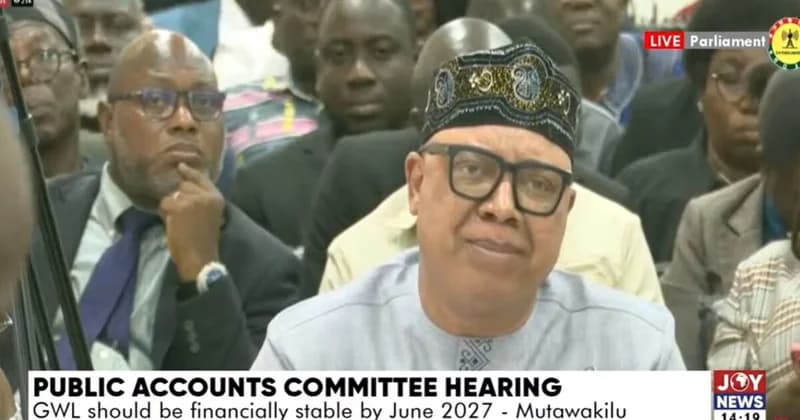
The Managing Director of Ghana Water Limited (GWL), Adam Mutawakilu, has revealed that a staggering 62% of commercial water meters inspected during a recent exercise were missing from the company’s official database. This disclosure, made during an appearance before Parliament’s Public Accounts Committee, underscores a significant crisis in the utility’s revenue mobilization, with the company currently collecting less than 50% of its potential earnings. The findings highlight deep-seated deficiencies in how the utility tracks and bills its largest consumers.
According to Mutawakilu, the lack of recorded meters has created a massive billing gap that the company is now racing to close. Current records indicate that over 38,000 commercial customers and 150,000 residential customers are receiving water services without being billed. The scale of the challenge is further highlighted by the fact that approximately 73,000 commercial customers are still waiting to be assessed, with more than half of that group estimated to be unbilled. To rectify this, the company has initiated a metering blitz, though it has so far metered only 521 commercial customers in its latest drive.
GWL aims to achieve complete financial self-sustainability by June 2027. To reach this milestone, the utility is targeting a 120% increase in revenue through a comprehensive strategy of customer identification, universal metering, and modernized billing processes. By integrating thousands of currently unbilled users into the system, the management hopes to bridge the gap between actual collections and potential revenue, eventually removing the need for regular operational subsidies.
Despite the internal reforms, Mutawakilu emphasized that government intervention remains crucial for the company's long-term health. He specifically requested support in managing legacy loans that continue to weigh down the utility's balance sheet. One proposed solution is the conversion of repaid loans into equity, a move that the Managing Director believes would improve the company’s financial profile and make it more attractive to private investment as it seeks to modernize Ghana's water infrastructure.