••
Ghana Health Service and Ayawaso Central MP Lead Proactive Sanitation Drives to Avert Post-Flood Disease Outbreaks
•2 min read•6 sources
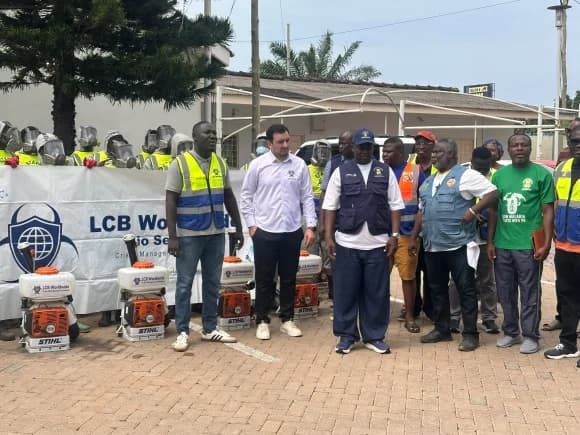
Following devastating seasonal rains that caused significant loss of life and property across Accra, the Ghana Health Service (GHS) has partnered with local leaders and private waste management firms to launch an aggressive sanitation and disease prevention campaign. The initiative, which includes mass fumigation and community cleanup exercises, is designed to mitigate the risk of waterborne diseases such as cholera. In the Korle Klottey Municipality, crisis management firm LCB Worldwide Ghana Limited collaborated with the GHS to disinfect major markets and public spaces. This proactive approach coincides with a broader national cleaning effort aimed at sanitizing high-risk areas while the ground remains saturated from recent flooding.
In Ayawaso Central, Member of Parliament Abdul Ruuf Tony Tubazu has intensified local efforts by leading a refuse evacuation and cleanup campaign in Alajo. During the exercise, Mr. Tubazu condemned the persistent habits of dumping waste and erecting structures in waterways, citing these as primary drivers of the recent disasters. To ensure the sustainability of these efforts, the MP announced the establishment of a dedicated taskforce to monitor environmental health and address illegal constructions. Municipal Environmental Health Officer Musa Abdul Samed further warned that without a drastic change in community behavior, the assembly remains at high risk for a major health crisis.
Supporting these ground-level efforts, waste management experts are emphasizing the need for improved infrastructure to handle the city's refuse. Naa Ayorkor Koney, Operations Manager of the Teshie Zoomlion Transfer Station, highlighted that strategic waste transfer stations are critical for maintaining cleanliness in the capital. By allowing waste trucks to offload closer to residential communities rather than making long trips to distant landfills, these stations significantly reduce turnaround times and improve the overall efficiency of collection services. This infrastructure, combined with stricter enforcement of existing environmental laws, is viewed as essential for long-term urban resilience.
As the rainy season continues, municipal leaders and health officials are calling for a shift in public attitude toward environmental security. Municipal Chief Executive Rudolf Collingwoode-Williams stressed that daily sanitation habits and communal responsibility are the only permanent solutions to preventing the recurrent cycle of flooding and disease. While the immediate focus remains on cleaning and fumigation, officials maintain that the long-term goal is to foster a culture of environmental consciousness where citizens actively protect waterways and manage waste responsibly to safeguard public health.
This story touches markets covered on Anansi Intelligence ↗.
More from health
Continue exploring similar stories


