••
Ghana Health Service Targets 1.5 Million Children in 2026 Malaria Chemoprevention and Net Distribution Drive
•2 min read•1 source
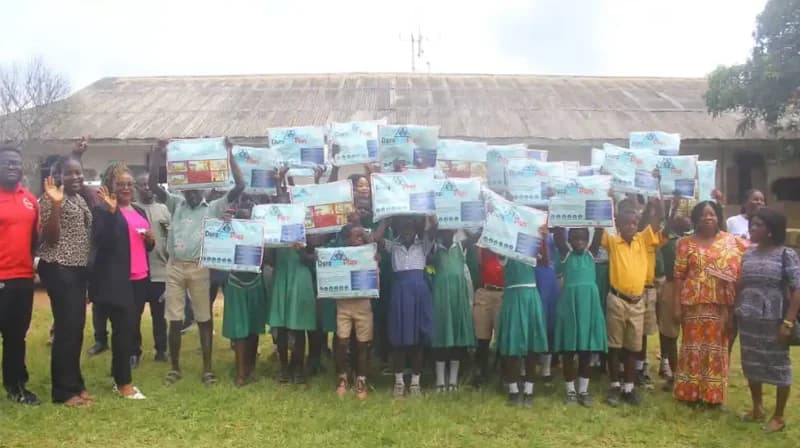
The Ghana Health Service (GHS) has officially launched its 2026 Seasonal Malaria Chemoprevention (SMC) campaign, a strategic initiative designed to protect approximately 1.5 million children across seven regions during the peak malaria transmission season. The regions targeted include the Upper East and Bono East, where the risk to young children remains a primary public health concern. This comprehensive campaign integrates the administration of preventive medication with a robust school-based distribution program of insecticide-treated nets (ITNs), specifically targeting pupils in Primary Two and Primary Six to bolster household protection and community resilience against the disease.
This latest intervention comes on the heels of significant historical progress in Ghana’s fight against malaria. According to the GHS, the nation has witnessed a dramatic reduction in malaria prevalence, which plummeted from 27.5% in 2011 to 8.6% in 2022. Even more striking is the decline in malaria-related deaths, which have fallen by more than 98% over the same period. Director-General Dr. Samuel Akoyirea Kaba underscored that while these figures are encouraging, the sustainability of these gains depends heavily on the consistent use of preventive measures. He emphasized that the combination of Seasonal Malaria Chemoprevention, insecticide-treated nets, and the roll-out of malaria vaccinations forms the backbone of the current strategy to eliminate the disease entirely.
The school-based net distribution is a critical component of the strategy, aimed at increasing net ownership in households that might otherwise be missed by traditional distribution channels. Dr. Hilarius Abiwu noted that while house-to-house distribution faces certain limitations, leveraging the education system allows for a more targeted and efficient reach. Madam Theresa Oppong further highlighted the symbiotic relationship between health and education, stating that such interventions are vital for improving children’s health outcomes, which directly translates to better school attendance and academic performance. By focusing on primary school children, the GHS hopes to foster a culture of net usage that extends from the classroom to the home.
As the campaign progresses, health officials are urging parents and guardians to ensure their children receive the full course of chemoprevention and sleep under the provided nets every night. The GHS remains committed to a malaria-free future, viewing these preventative strategies not just as temporary fixes, but as essential steps toward long-term national health security. The continued collaboration between health services, educational institutions, and local communities will be pivotal in maintaining the momentum required to eradicate malaria as a public health threat in Ghana.
This story touches markets covered on Anansi Intelligence ↗.
More from health
Continue exploring similar stories


