••
Ghana Health Service targets 244,869 in Upper West yellow fever campaign
•2 min read•4 sources
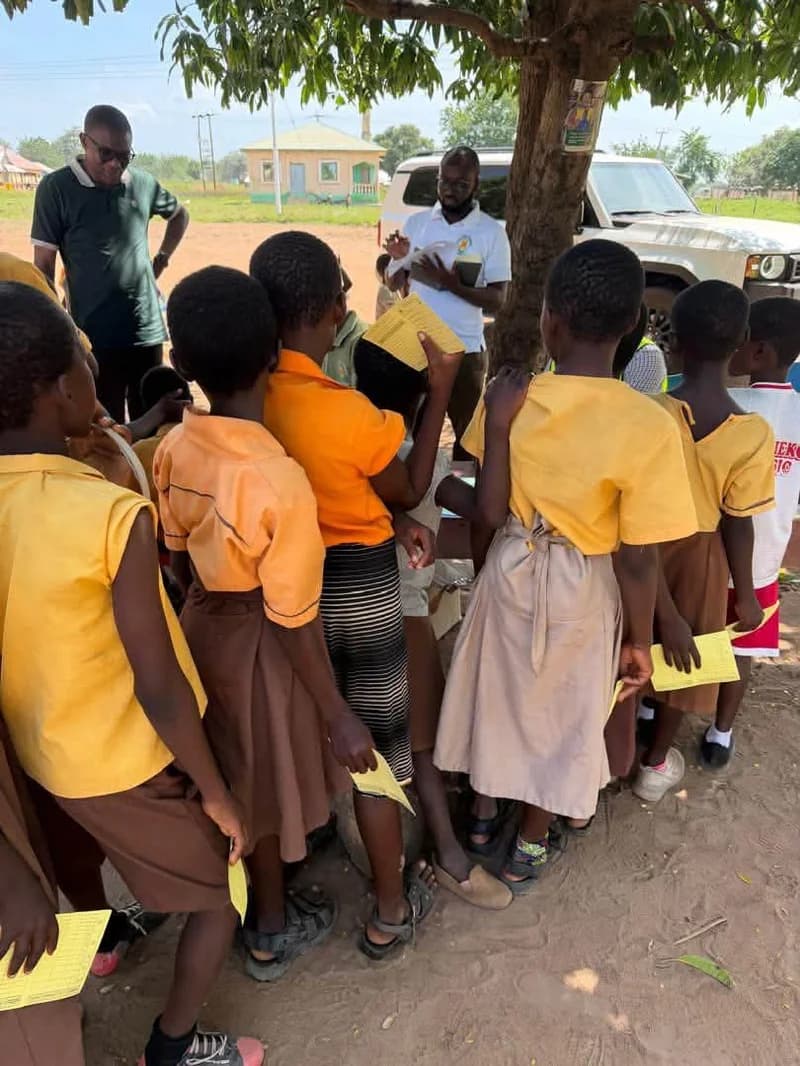
The Ghana Health Service (GHS) has officially launched a five-day reactive vaccination campaign in the Upper West Region, aiming to immunize 244,869 residents against yellow fever. The exercise, which commenced on Wednesday, October 14, and is scheduled to conclude on Sunday, October 18, 2026, focuses on three districts following a recently declared outbreak. Health Minister Kwabena Mintah Akandoh confirmed that while the situation is currently under control, the campaign is a necessary response to 450 suspected cases and three confirmed fatalities linked to the virus since September.
The campaign specifically targets individuals aged between nine months and 60 years. To ensure maximum coverage, the GHS has deployed trained health workers to stationary sites at health facilities and temporary public venues such as schools and markets. Additionally, mobile teams have been dispatched to reach remote and hard-to-access communities. Participants receive an official yellow vaccination card upon completion of the exercise; officials noted that these cards are crucial for accessing future health services and that a single dose of the vaccine provides lifelong protection.
Health Minister Akandoh stated that the government has requested an additional 187,000 vaccine doses to bolster stocks in the affected areas and ensure no one is left behind. Emergency response measures were activated immediately following lab confirmation of the three fatalities. Health officials are maintaining a heavy presence in the region, with ongoing monitoring visits to ensure compliance with medical standards and to address any logistical challenges that may arise during the five-day period.
Beyond the immediate vaccination efforts, the Ministry of Health is urging citizens to adopt rigorous preventative measures, including the use of mosquito nets and the elimination of standing water. Residents are encouraged to report symptoms such as sudden fever, headache, and jaundice to the nearest health facility. The GHS emphasizes that widespread participation in this reactive campaign is the most effective way to prevent further transmission and protect the region from future outbreaks.

