••
Ghana Gold Board ends reliance on Bank of Ghana for funding
•2 min read•1 source
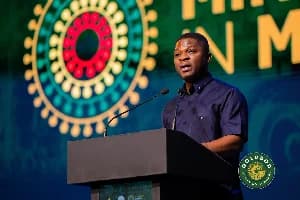
The Ghana Gold Board (GoldBod) has officially transitioned to an independent funding model for its artisanal and small-scale mining (ASM) gold purchases, ending its previous reliance on the Bank of Ghana (BoG). This strategic shift marks a significant change in how the board manages its liquid assets and finances its core operations within the domestic gold market, moving toward a more self-sustaining financial structure.
According to GoldBod Chief Executive Officer Sammy Gyamfi, the organization will now mobilize its own cedi-denominated funds to finance the purchase of gold from artisanal and small-scale miners. Under the previous arrangement, the board relied on the central bank to provide the necessary liquidity to facilitate these transactions. By internalizing the funding process, GoldBod aims to streamline its procurement activities and enhance its financial autonomy within the mining sector.
In addition to self-funding the initial purchases, the new model involves a revised strategy for managing foreign exchange. Mr. Gyamfi explained that the foreign currency generated from the subsequent sale of the gold will be sold back to the Bank of Ghana and various commercial banks. This mechanism is expected to provide a consistent supply of foreign exchange to the domestic market while ensuring that GoldBod maintains a sustainable cycle of capital for future gold acquisitions.
The move is viewed as a major step toward institutional independence for the Gold Board as it seeks to formalize and strengthen the artisanal mining sector. By decoupling its primary funding from the BoG's direct intervention, GoldBod is establishing a more commercialized framework for its operations. This transition is expected to reduce the immediate fiscal pressure on the central bank while maintaining the steady flow of gold into national reserves and international export channels.
Live rates
Ghana gold price →

