••
Minister Dzifa Gomashie and Chief of Staff Alex Segbefia Headline Ghana’s 2026 Cultural Heritage and Creative Economy Push
•3 min read•6 sources
Ghana is positioning itself as the continent's cultural hub as the government intensifies efforts to leverage heritage for economic development. The Minister for Tourism, Culture and Creative Arts, Abla Dzifa Gomashie, has announced that Ghana will host the inaugural African Festival of Arts, Culture and Creatives (AFESTACC) from December 9 to 12, 2026. This landmark event, organized in partnership with the African Union Development Agency (AUDA-NEPAD), is expected to benefit over 20,000 Ghanaians in the arts and tourism sectors. Minister Gomashie emphasized that AFESTACC will showcase Africa's diverse creative output and foster cultural diplomacy, serving as a significant driver for economic growth, particularly for youth and women.
Complementing this international outlook, local heritage projects are reaching critical milestones across the country. In the Volta Region, the Agotime Kente Festival 2026 recently concluded with a grand durbar in Kpetoe under the theme "Agotime Kente – Honouring Our Heritage, Safeguarding Our Future." Chief of Staff Alex Segbefia, representing the presidency, highlighted the cultural significance of the kente cloth and commended the ongoing Kente Village and Centre of Excellence project. He called for increased support from development partners to provide the necessary infrastructure for local artisans. Meanwhile, in the Bono East Region, Minister Gomashie pledged that the TanoBoase Sacred Grove, a unique eco-tourism and spiritual site, will be commissioned and opened to the public before the end of 2026.
Historical preservation and reconciliation are also taking center stage through new monuments and academic dialogues. In Atebubu, the Nananom of the Piabire Palace recently unveiled a statue of Osahene Ampon Yirenkyi, the legendary warrior-king and founder of Atebubuman. Ohempon Dr. Yeboah Asiamah noted that the monument serves as a call for contemporary citizens to embody the values of courage and service. This spirit of honoring the past was mirrored at the Accra Convening, organized by the Deyaanga Museum Initiative and the University of Ghana. Scholars and traditional leaders at the event discussed shifting the narrative of slavery from mere remembrance to active healing, proposing a Museum of Healing and Reconciliation to prioritize the stories of resistance within inland communities.
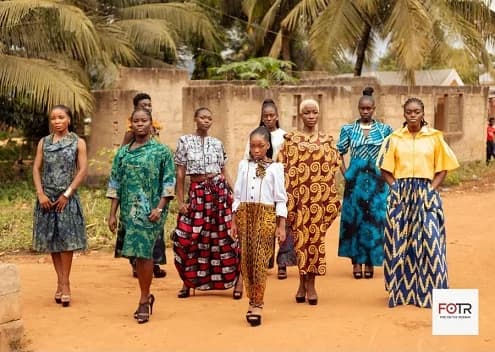
Innovation in the creative sector is further evidenced by projects like the "Village Series" produced by Fire on The Runway International. This initiative, led by Taneka “Neka” Sawadogo, transforms traditional Ghanaian villages into fashion stages, blending high fashion with everyday rural life. By showcasing African craftsmanship in its authentic cultural context, the project aligns with the broader national goal of treating the creative arts as a development driver rather than mere decoration. Collectively, these initiatives—ranging from local fashion runways to major international festivals—underscore a unified national strategy to safeguard Ghana's rich heritage while building a robust, modern creative economy.